


Tech
LG Innofest 2026: LG’s vision for the smart home with AI and ecosystems
The company showcased its vision for the smart home based on Affective Intelligence, ThinQ devices, and home automation.

The idea of a smart home is not new, but it has undoubtedly made enormous strides in recent years. From the rudimentary concepts at the beginning of this century, which connected lights and entertainment systems to an old computer or console, to today’s fully connected environments, now powered by the power of artificial intelligence. These advances point to homes that seek to have everything under control and adapted to the tastes of their inhabitants.
For several years now, LG has sought to drive this revolution forward. Under the concept of Affective Intelligence and the idea of a Zero Labor Home, the company aims to make our lives at home as comfortable as possible. During LG Innofest 2026, we had the opportunity to see up close how all of this can be connected.

A smart home that learns from you
One of the first details to highlight is not necessarily the gadgets that are connected, but the way they integrate with each other. This is where the entire range of products within LG ThinQ On comes into play, a series of connectors that include everything from smart buttons and sensors to air quality detectors, voice controls, and locks, creating a network where connection is present in virtually everything.
If there is one thing that stands out, it is that the Korean brand does not just want you to buy a product, but also wants it to remain useful over the years. The issue of obsolescence is always present in technology, but with LG ThinQ UP, devices continue to receive updates that expand their functions over time.
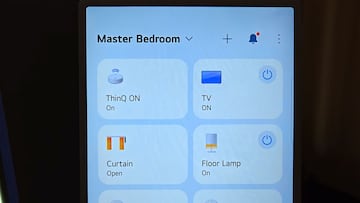
One of the first examples of this smart home begins even before you enter. A smart fingerprint reader recognizes the user and automatically opens the door. But the experience doesn’t end there: a personalized greeting welcomes you through the speakers while various aspects of the home begin to adjust, starting with the temperature. All of this responds to the idea of creating proactive assistants capable of learning from the user’s habits. The goal is not only to adapt, but to eliminate the burden of many everyday tasks.
Perhaps one of the most surprising aspects is how far the concept of the smart home has come. After light bulbs, televisions, and even thermostats, it seems that no appliance is left out of this integration. For example, the LG WashTower washer and dryer features smart management to care for your clothes. The dishwasher can monitor the level of dirt in real time to adjust its washing patterns. Vacuum cleaners and cleaning robots use artificial intelligence modes capable of detecting the type of surface and the level of dirt. Even the LG ThinQ Refrigerator allows you to manage food, adjust the internal lighting from an app, and perform automatic diagnostics on its technical condition.
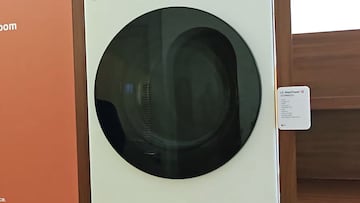
Beyond presenting individual devices, what LG revealed during LG Innofest 2026 was a clear vision of how artificial intelligence can be integrated into everyday home life. The commitment to a connected ecosystem, capable of learning from users’ habits and reducing the burden of daily tasks, reflects the direction the company wants to take in the coming years. While many of these features still depend on the gradual adoption of this type of technology, the demonstration makes it clear that the smart home is no longer just about connected devices, but about creating an environment that truly responds to those who live in it.
Follow MeriStation USA on X (formerly known as Twitter). Your video game and entertainment website for all the news, updates, and breaking news from the world of video games, movies, series, manga, and anime. Previews, reviews, interviews, trailers, gameplay, podcasts and more! Follow us now!