

Neither eternal nor infallible: why using your SSDs for long-term data storage is a very bad idea
We debunk a widespread myth in the field of computing: SSDs are by no means “ideal” for long-term data storage, especially when disconnected.
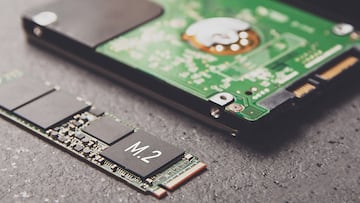

One of the biggest urban legends in computing is that SSDs are “just as good” as HDDs when it comes to long-term file storage, but this is a misconception. Although no physical medium can survive indefinitely without the inevitable degradation that comes with the passage of time, SSDs are not designed to store data for decades without power, and in fact are much less reliable in this use case than traditional magnetic hard drives or HDDs.
Debunking the myth: SSDs do not “last forever” because they have no mechanical components
In recent years, the idea that SSDs are “eternal” devices simply because they have no moving parts has become popular. The logic seems simple: if they have no components that need to rotate or be subjected to friction, nothing should wear out, making them a more reliable long-term storage medium than traditional magnetic disks.
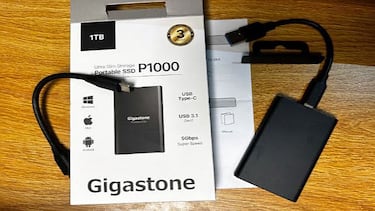
This interpretation has led many users to assume that an SSD is equal to—or even better than—an HDD for archiving data for decades, which, in technical terms, is known as “cold storage.” In reality, the absence of mechanical components does not imply greater longevity, but simply less chance of physical failure in the short term.
The problem with using SSDs for cold storage
The technology used by SSDs to store information is very different from that used by traditional hard drives or HDDs. Instead of magnetizing a metal platter, an SSD stores data in the form of electrical charges within NAND flash cells. And therein lies its weakness: the charges weaken over time, especially when the device remains without power for months or years.
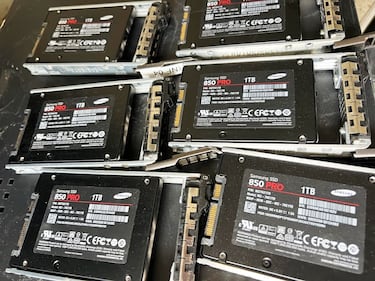
This degradation of the electrical charge can be accelerated by other factors related to storage conditions, such as ambient temperature or humidity. In addition, wear and tear from previous use, as well as the type of memory used—TLC, QLC, or similar—also influence the deterioration process. In other words, due to the technology used, SSDs are not designed to spend long periods of time without being connected to a computer.
SSD vs. HDD: each is better than the other... depending on the task
Despite everything, SSDs are not inherently “better” than HDDs, and vice versa: it all depends on the task at hand. SSDs offer much faster access speeds and are ideal for intensive daily use, whether for loading the operating system, heavy applications, or recent video games that require this advanced hardware to function properly.
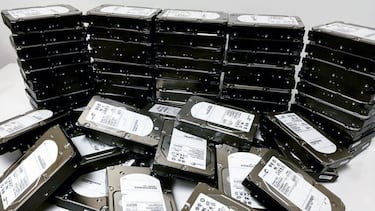
However, for cold storage or storing large volumes of data, a magnetic HDD is still much more reliable—and economical—in comparison; its storage mechanism does not depend on volatile electrical charges, and the information remains stable even after long periods without power.
SSDs are irreplaceable for fast everyday operations, but they are not suitable for storing family photos, important projects, or backups that need to survive intact for years. For this type of long-term storage, an HDD—or, better yet, multiple copies on different physical media and in the cloud—remains the safest, most sensible, and most affordable option. In the field of storage, each type of disk has its role, and confusing them can cost us dearly.
Related stories

Follow MeriStation USA on X (formerly known as Twitter). Your video game and entertainment website for all the news, updates, and breaking news from the world of video games, movies, series, manga, and anime. Previews, reviews, interviews, trailers, gameplay, podcasts and more! Follow us now!
Complete your personal details to comment