

Star of the Seas: the cruise ship that combats food waste with artificial intelligence
A sustainable culinary journey: how Royal Caribbean uses technology to revolutionize waste management on board

Royal Caribbean has implemented an advanced technological strategy to reduce food waste on its new cruise ship, the Star of the Seas, achieving a reduction of more than 35% across its fleet since 2017. The initiative, known as Win on Waste (WOW), combines artificial intelligence with weight measurement systems to optimize food production and consumption on board. The company has set itself the goal of achieving a 50% reduction by the end of this year, a target that, according to its executives, could even be exceeded.
The science behind food: from forecasts to the plate
The backbone of this effort is a proprietary system developed in-house that integrates two key tools: Q-Control and the Food Production Management System (FPMS). While Q-Control monitors food in buffet areas in real time, FPMS uses historical data, passenger demographics, and even weather to accurately forecast the exact amount of ingredients that will be needed for each trip.
The AI system not only predicts overall demand, but also breaks down needs by food type. For example, if the system determines that 2.5 tons of beef will be required, it will also specify the exact amount of ground beef, steaks, etc., minimizing the risk of waste from the supply chain. This “real-time production” approach ensures that teams only take out of the freezer and prepare what will be consumed.
Innovation and efficiency in the kitchen
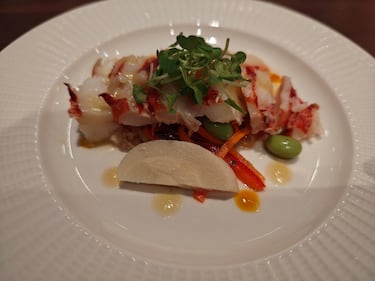
Technology goes beyond computer systems. The crew of more than 400 chefs uses a network of 30 iPads with intuitive pictograms, making them easy to use regardless of the user’s native language. These devices, equipped with scales, allow chefs to accurately weigh ingredients and record consumption. For example, when weighing a tray of watermelon, the system automatically subtracts the weight of the container, providing the precise data on the actual amount of food. This system not only captures the food that has been served, but also the food that is returned from the buffets for reuse or disposal.
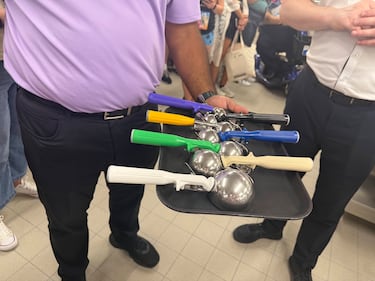
Another notable aspect is the use of kitchen utensils designed for consistency and portion control. For example, different sizes of measuring spoons and salt shakers with holes of varying sizes ensure that each dish has the correct flavor and quantity. This precision not only improves the quality and taste of the food but also reduces overproduction and, therefore, waste.
Waste is transformed into fuel
Although the main goal is to avoid waste, the company has developed an onboard processing system for the food scraps that are inevitably generated. This process converts the waste into fuel that is innovatively used to power the ship’s water park. This method not only contributes to sustainability but also eliminates the need to send waste to landfills, an achievement that the company proudly highlights.
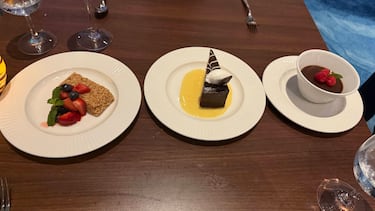
The WOW initiative has not only been recognized by organizations such as the World Wildlife Fund (WWF) as the best food waste management platform in any industry, but it has also driven cultural change within Royal Caribbean, with quarterly bonuses for teams that achieve the best results in waste reduction. With this strategy, the Star of the Seas demonstrates that technology, innovation, and sustainability can sail on the same ship.
Related stories

Follow MeriStation USA on X (formerly known as Twitter). Your video game and entertainment website for all the news, updates, and breaking news from the world of video games, movies, series, manga, and anime. Previews, reviews, interviews, trailers, gameplay, podcasts and more! Follow us now!
Complete your personal details to comment