

‘The Simpsons’ predicted it: Japan now has an app that interprets babies’ cries
The Japanese city of Mishima will offer Awababy Premium for free to families with children up to two years old.


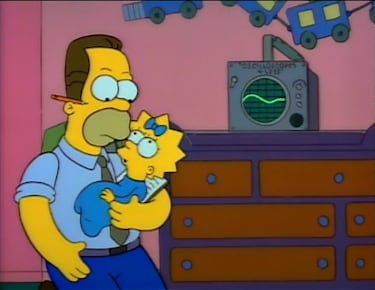
Back in 1992, ‘The Simpsons’ already imagined a device capable of translating what a baby meant when it cried—an invention that once again made Herb, Homer’s long-lost half-brother, a millionaire. Now, the Japanese city of Mishima, in Shizuoka Prefecture, has announced that it will offer its residents the Awababy Premium app for free—an artificial intelligence tool designed to analyze babies’ cries and suggest what might be wrong with them.
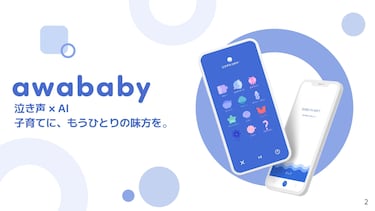
According to the city council, the app identifies 11 emotional states based on crying and suggests up to 59 possible responses or courses of action. The city council states that the system has been trained using 140,000 data points and achieves an accuracy rate of 87.17%, with a particular focus on infants aged 0 to 18 months and best performance among those aged 0 to 6 months.
What is known about its effectiveness
On the Japanese App Store review page, there are positive comments from users who say the app helps them come up with theories about why their baby is crying and serves as emotional support, but there are also negative reviews complaining about repetitive or inconsistent results—such as the app always returning “tired” or giving very different responses to the same situation. This mix points to a very mixed reception: some users find it useful as a guide, while others perceive it as unreliable.
Crying is one of the main sources of anxiety during the first few months of parenting, and Barcelona’s Hospital Clínic notes that a baby may cry, on average, between an hour and a half and three hours a day. In this context, any tool that offers a quick solution is appealing to new parents or during moments of extreme exhaustion.
But Awababy isn’t breaking new ground. As early as 1998, Spanish engineer Pedro Monagas created WhyCry, a device that also promised to interpret a baby’s cries and was later cited as a striking real-life parallel to that idea from ‘The Simpsons’. More recently, UCLA launched ChatterBaby, an app built using over 2,000 samples that achieved good results, particularly in detecting cries associated with pain, with accuracy rates exceeding 90% in contexts such as vaccinations or ear piercings.
Related stories
The problem arises when the scope of the technology expands and the focus shifts from detecting pain to identifying everyday causes such as hunger, discomfort, or the need for attention. A study published in 2023 in ‘Communications Psychology’ concluded that neither machine learning algorithms nor trained adults were able to reliably recognize these common causes, with results that were virtually indistinguishable from chance. Another systematic review published in 2026 found studies with accuracy rates ranging from 44.5% to 99.82%, but highlighted the enormous variability among methods and the need for validation under real-world conditions.
Follow MeriStation USA on X (formerly known as Twitter). Your video game and entertainment website for all the news, updates, and breaking news from the world of video games, movies, series, manga, and anime. Previews, reviews, interviews, trailers, gameplay, podcasts and more! Follow us now!
Complete your personal details to comment