



Often referred to as “The Black National Anthem,” Lift Every Voice and Sing was a hymn written as a poem by James Weldon Johnson in 1900.

What is the Black National Anthem and what’s its origin and meaning?

Music is now firmly established as an integral part of any Super Bowl event with the legendary half-time show on occasion driving more audience than the game itself with the likes of Madonna, Coldplay, Lady Gaga and Rihanna delivering much talked about performances in recent years.
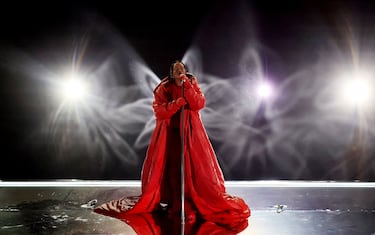
This Sunday, Bad Bunny will look to wow the crowd at Levi’s Stadium in San Francisco during the Half Time show.
Coco Jones will take the Super Bowl stage this Sunday to perform “Lift Every Voice and Sing,” a moment that carries history far beyond the pregame lineup.
— EBONY (@EBONY) February 5, 2026
Often called the 'Black National Anthem,' the song holds more than tradition. It holds memory, protest, faith, and survival.… pic.twitter.com/kRAC8g9cK2
‘Lift Every Voice and Sing’ has been performed in the past at Super Bowl games by the likes of Alicia Keys and by Sheryl Lee Ralph.
The NFL is included in the Super Bowl pregame show to help a nation in need of healing. It makes sense that the NFL goes out of its way to include such a special song in the pregame lineup to honor the cultural diversity of the league and the country.
The origins behind ‘Lift Every Voice and Sing’
Lift Every Voice and Sing is often referred to as “The Black National Anthem” but started life as a hymn written as a poem by NAACP *National Association for the Advancement of Colored People) leader James Weldon Johnson in 1900. His brother, John Rosamond Johnson (1873-1954), composed the music for the lyrics.
A choir of 500 schoolchildren at the segregated Stanton School, where James Weldon Johnson was principal, first performed the song in public in Jacksonville, Florida to celebrate President Abraham Lincoln’s birthday.
Related stories


At the turn of the 20th century, Johnson’s lyrics eloquently captured the solemn yet hopeful appeal for the liberty of Black Americans. Set against the religious invocation of God and the promise of freedom, the song was later adopted by NAACP and prominently used as a rallying cry during the Civil Rights Movement of the 1950s and 1960s.
Get your game on! Whether you’re into NFL touchdowns, NBA buzzer-beaters, world-class soccer goals, or MLB home runs, our app has it all. Dive into live coverage, expert insights, breaking news, exclusive videos, and more – plus, stay updated on the latest in current affairs and entertainment. Download now for all-access coverage, right at your fingertips – anytime, anywhere.
Complete your personal details to comment