


A massive metal ring crashes in the middle of Africa: now all suspicions about its origin are confirmed
What started out as a scary mystery in Kenya, rekindled the great debate about the dangers of human advancement.

On December 30, 2024, residents of a village southeast of Nairobi, Kenya, witnessed something both bizarre and disturbing: a metal ring more than eight feet in diameter and weighing nearly 1,100 pounds fell from the sky, crashing into a rural area. While no one was hurt, the event sparked widespread curiosity and rekindled international concerns over the growing threat of space junk orbiting the Earth.
Where did the huge metal ring come from?
The first images shared by locals showed a huge metallic structure partially embedded in the ground. Local authorities quickly cordoned off the site as Kenya’s Space Agency (KSA) dispatched a team of specialists to analyze the object. After several days of inspection, experts identified the item as a separation ring from a space launch vehicle – a component designed to detach as a rocket ascends.
These parts typically burn up during atmospheric reentry or land harmlessly in remote ocean zones. Occasionally, though, they remain in orbit for years. In this case, the fact that such a large fragment landed in a populated area was described by the KSA as “an isolated incident”, though they acknowledged it breached international safety protocols. The ring was tentatively linked to the Indian space agency, but the exact origin remains unclear.
Space junk is a bigger problem than you might think
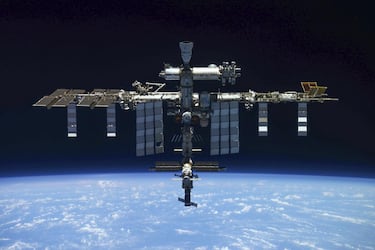
Beyond the strangeness of the event, the incident has revived growing concerns about the accumulation of orbital debris, which many experts now see as a serious and escalating threat. According to NASA, more than 27,000 large objects are currently orbiting Earth, not counting millions of smaller fragments that are too tiny to track but still pose significant risks. Traveling at extremely high speeds, even a tiny shard can damage satellites, spacecraft, or – in rare cases – cause harm back on Earth.
This wasn’t an isolated case. Just last year, a family in Florida filed a lawsuit after a piece of debris from the International Space Station smashed into their home. The looming fear of a Kessler effect – a runaway chain reaction of orbital collisions creating even more debris – is now a shared worry for both governments and private aerospace firms.
In the wake of the Kenyan incident, international conversations about managing space waste have picked up pace. Proposed solutions range from satellites that collect debris to automated deorbiting systems, though progress remains slow due to a lack of global regulation and the high costs involved. The fallen ring in Africa now serves as a stark reminder that responsible space management isn’t just a technical issue – it’s an urgent necessity for Earth’s safety and the future of space exploration.
Related stories
Get your game on! Whether you’re into NFL touchdowns, NBA buzzer-beaters, world-class soccer goals, or MLB home runs, our app has it all.
Dive into live coverage, expert insights, breaking news, exclusive videos, and more – plus, stay updated on the latest in current affairs and entertainment. Download now for all-access coverage, right at your fingertips – anytime, anywhere.
Complete your personal details to comment