


Alarm bells ring in the automotive industry over the possibility of a new chip shortage
Dutch intervention at Nexperia and China’s export curbs reignite fears of factory shutdowns.
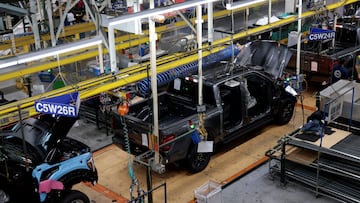

The global car industry is bracing for another semiconductor shock, this time triggered not by pandemic disruption but by geopolitics. Dutch chipmaker Nexperia, a critical supplier of basic automotive semiconductors, has warned it can no longer guarantee deliveries, sending tremors through manufacturers already wary of supply chain fragility.
What is the problem in the chip supply chain?
Nexperia, headquartered in Nijmegen, produces billions of discrete components, tiny but essential chips that regulate power, lighting, and safety systems in vehicles. The firm controls an estimated 40% of the global market for these parts, making it a cornerstone of modern car production. When the Dutch government intervened in the company’s operations earlier this month, citing national-security concerns over its Chinese parent, Wingtech Technology, the move quickly spilled into the international trade arena.
FT Exclusive: The Dutch government seized control of chipmaker Nexperia after Washington warned the company would not be removed from its export control list if its Chinese chief executive Zhang Xuezheng remained in charge, according to court filings. https://t.co/JgnO3mVASu pic.twitter.com/UWgzW2XNLW
— Financial Times (@FT) October 14, 2025
China responded by tightening export controls on Nexperia’s facilities in Shanghai and Suzhou, where a large share of the firm’s output is packaged and assembled. Within days, automakers began warning that inventories of these chips could run dry within weeks if the standoff continues.
Which cars could be affected?
European manufacturers such as Volkswagen, BMW, and Stellantis are now assessing exposure within their supply chains, while the European Automobile Manufacturers’ Association (ACEA) urged governments to “resolve the issue swiftly” to prevent cascading production stoppages. Many assembly plants still operate with minimal buffer stocks, a vulnerability exposed during the 2020–23 global chip shortage, when carmakers lost millions of vehicles’ worth of output. U.S. production is said to be very much at risk.
We are deeply concerned by potential significant disruption to European vehicle manufacturing if the interruption of Nexperia chips supplies cannot be immediately resolved.
— ACEA (@ACEA_auto) October 16, 2025
On 10 October, #automobile manufacturers and their suppliers received notice from Nexperia outlining a… pic.twitter.com/RW8qveXCng
Even though the affected semiconductors are considered “low-tech,” replacing them is neither quick nor simple. Each component must be re-qualified to meet safety standards, a process that can take months. “It’s not about computing power... it’s about ubiquity,” said one industry analyst. “If a simple transistor is missing, you can’t build a car.”
For now, production lines remain open, but time is tight. The ACEA has warned that the first disruptions could hit as soon as November if shipments remain blocked.
Related stories
Get your game on! Whether you’re into NFL touchdowns, NBA buzzer-beaters, world-class soccer goals, or MLB home runs, our app has it all.
Dive into live coverage, expert insights, breaking news, exclusive videos, and more – plus, stay updated on the latest in current affairs and entertainment. Download now for all-access coverage, right at your fingertips – anytime, anywhere.
Complete your personal details to comment