


Counterfeit versions and climate change could be the end of this rare artichoke: “Eventually, the castraùre could disappear”
Venice’s rare spring delicacy faces extinction as rising temperatures and fraud threaten its future.
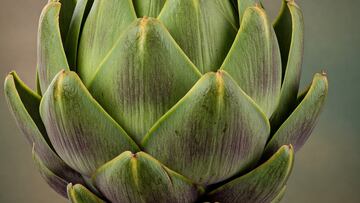

For about ten days each spring, a tiny, salty-sweet treasure bursts from the earth on Venice’s northern islands – only to vanish almost as quickly. This fleeting delicacy, the castraùra, is the first bud of the violet artichoke from Sant’Erasmo, and it’s under threat from both nature and, would you believe it, deception.
Gourmet Spring Delicacy Available in Venice, Italy; Venetian Castraura (early Artichoke): If you are in Venice t... http://t.co/dsF3oavM
— Rowena Azurin (@rowenaazurin) March 23, 2012
What is the castraùra?
The castraùra isn’t your typical artichoke. About half the size of a palm and soft enough to eat raw, it grows just once a year, on just one bud per plant, in the salty, rain-tempered soil of Sant’Erasmo and Le Vignole. And only if the tide doesn’t drown it first. Venetian farmer Guia da Camerino, speaking to the BBC, calls it “initially bitter but transforms into sweetness,” a taste forged in the unique conditions of the lagoon.
But as climate change accelerates, the harvest window is shifting. Where farmers once picked castraùre on April 25 – aka Saint Mark’s Day – they’re now being forced to harvest weeks earlier. “The plant needs nine months to grow,” da Camerino says. “Eventually, the castraùre could disappear.”
Why fake castraùre is a threat
That’s not the only problem. Counterfeit artichokes, grown in Tuscany, Sardinia or Sicily, are flooding Venetian markets, often fraudulently labeled as the real thing. Restaurants buy the fakes to save money, knowing most tourists won’t know the difference – but they still charge a premium.
The Consorzio del Carciofo Violetto di Sant’Erasmo, formed in 2004, was meant to protect the name and quality of the product. But its powers are limited. President Carlo Finotello says some sellers simply slap the label onto crates of non-local artichokes, or dilute real castraùre with cheaper cousins. He contacts offenders when tipped off, but without the power to fine or enforce, it’s often a losing battle.
The violet artichoke has endured centuries of change. But it may not survive this combination of warmer springs, disappearing trust, and a market happy to fake it. If you want to try the real thing, go in April, ask questions – and eat it raw, just as the farmers do. Before it’s too late.
Related stories
Get your game on! Whether you’re into NFL touchdowns, NBA buzzer-beaters, world-class soccer goals, or MLB home runs, our app has it all.
Dive into live coverage, expert insights, breaking news, exclusive videos, and more – plus, stay updated on the latest in current affairs and entertainment. Download now for all-access coverage, right at your fingertips – anytime, anywhere.
Complete your personal details to comment