


Dr. Rachel Hogg, Psychology lecturer, “‘Body transformation’ content has always resulted in high online engagement”
Fitness videos may bring in the clicks for content creators but a large percentage of them are AI-generated.
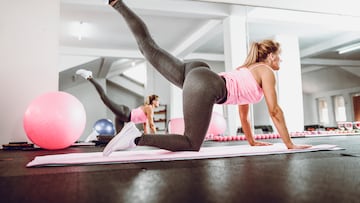
Online video streaming platforms such as Youtube have transformed the fitness industry, with health-related content - particularly exercise and bodybuilding videos among the most popular.
It’s easy to understand the appeal of fitness-related content - it is highly visual, educational and usually very entertaining, but a lot has changed in the 21 years since Youtube first came to our screens.
AI’s part in health-related video content
And the transformation has been particularly noticeable during the past four years with the advent of AI-powered video generation tools, which are becoming more sophisticated and more realistic.
From AI-powered workout plans and tracking technologies to virtual personal trainer and coaches, artificial intelligence tech is now the everyday norm for most people who turn to social media for tips on self-improvement and workout classes.
According to TechCrunch, there has been a 300% increase in AI-generated fitness videos in the last two years alone. But basing your health and general well being on algorithms isn’t a good idea, some observers argue - and there are other concerns with how AI is revolutionizing the health industry.
“‘Body transformation’ content has always resulted in high online engagement, which benefits social media platforms and content creators alike,” Dr. Rachel Hogg, a senior lecturer in psychology at Charles Sturt University in New South Wales, Australia explained in an interview with Newsweek. “Body image ideals have never been static, but AI has the potential to accelerate the speed with which we culturally cycle from one beauty standard to the next, which in turn has the potential to heighten the striving and uncertainty women experience around how their bodies should look.
Beauty standards and what is perceived as an ideal body image, Hogg adds, can shift from one extreme to another in a short period of time. “AI will allow content creators to simply manufacture body changes of all forms on a whim,” she says.
Promoting unrealistic body image ideals
Another danger is not being able to distinguish between what’s real, what is attainable, and what isn’t. “Even the most sophisticated social media user will struggle to identify AI-generated content, unless there is proper regulation of this from the tech industry, while disordered beauty standards may intensify and change more quickly than ever before.”
Then there are the issues concerning privacy and passing on sensitive personal data to third parties, without users’ knowledge or consent - and healthcare data is probably the most sensitive of all.
There’s no question that AI now has a big role in how we approach our health and wellness routines, we just need to be aware that like everything, it has its drawbacks and limitations.
Related stories
Get your game on! Whether you’re into NFL touchdowns, NBA buzzer-beaters, world-class soccer goals, or MLB home runs, our app has it all.
Dive into live coverage, expert insights, breaking news, exclusive videos, and more – plus, stay updated on the latest in current affairs and entertainment. Download now for all-access coverage, right at your fingertips – anytime, anywhere.
Complete your personal details to comment