


Whether you’re an enthusiast with a powerful telescope or a casual observer of the night sky, 2026 is lit.

Good news for stargazers: These are the supermoons, eclipses, and other celestial events you can see in 2026

You know that excellent 2021 movie with DiCaprio, Lawrence, Blanchett, Streep and Chalamet, among others, called Don’t Look Up? Well, while its stark message about human cognitive dissonance is as infuriating as it is entertaining, 2026 is not the year to follow the title’s advice.
As National Geographic explains, you may well want to pay closer attention to the night sky – and potentialy lining up a vacation or two to be in the right place – once your festive celebrations are over. From rare eclipses over Europe to moonless meteor showers, the year offers a steady run of eye-catching events that are easy to follow and, in many cases, visible without special equipment. Time to get the calendars out...
January
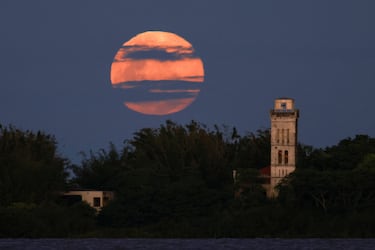
The year opens with a supermoon on January 3, when the full “wolf moon” appears slightly larger and brighter than usual. A week later, on January 10, Jupiter reaches opposition, shining boldly in the evening sky and staying visible all night.
Late February
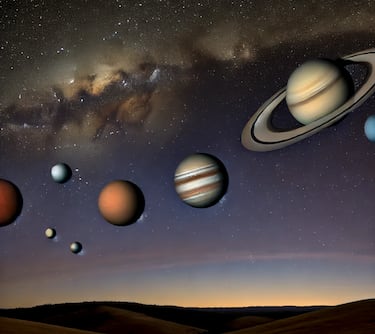
Around the final week of February, six planets gather after sunset. Venus, Mercury, and Saturn cluster low in the west, while Jupiter and Uranus sit higher overhead. Neptune joins too, though binoculars or a telescope help.
March
Early on March 3, a total lunar eclipse turns the moon a deep copper color. This “blood moon” will be visible across large parts of the Americas and the Pacific. Later in the month, the March 20 equinox brings longer days and often improved aurora displays, thanks to ongoing solar activity.
June
On June 8 and 9, Venus and Jupiter appear strikingly close together just after sunset, with Mercury nearby. It’s one of the most photogenic pairings of the year.
August
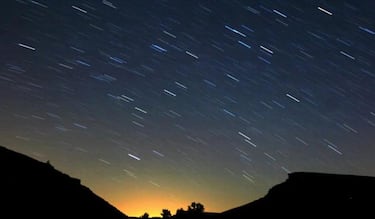
August is packed. On August 7, the moon passes directly in front of the Pleiades star cluster. August 12 brings the highlight: a total solar eclipse visible from parts of Europe, the first there since 1999. That same night, the Perseid meteor shower peaks under dark, moonless skies.
Late year
Two more supermoons arrive on November 25 and December 23, the latter being the closest of the year. December also closes with a multi-planet alignment, sending 2026 out with one last reason to look up.
As you can see, while plenty to keep our eyes busy in the coming 12 months, there are no current reports of existential meteor hits on the horizon. Still, look up!
Related stories
Get your game on! Whether you’re into NFL touchdowns, NBA buzzer-beaters, world-class soccer goals, or MLB home runs, our app has it all.
Dive into live coverage, expert insights, breaking news, exclusive videos, and more – plus, stay updated on the latest in current affairs and entertainment. Download now for all-access coverage, right at your fingertips – anytime, anywhere.
Complete your personal details to comment