


Goodbye butterflies: The reasons behind the decrease in this insect’s population in the U.S. Midwest
Butterfly numbers are on the decrease, something that worries scientists.
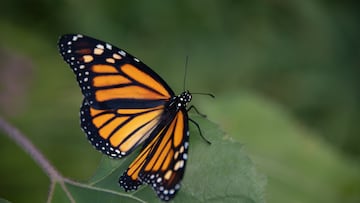

Fluttering wings filled with beautiful colours and a calm nature, butterflies are one of the only insects that a vast majority of people actively enjoy in their presence. Strolling through the woods, lakes, or any green area as a child would instantly be made better by the presence of a butterfly.
However, a shocking new study from Michigan State University shows that this is an increasingly rare occurrence: every one of the 136 butterfly species surveyed across the region over the past three decades has either disappeared or plateaued in population—not one has bounced back.
Lead author Wendy Leuenberger, reflecting on the dive through 4.3 million observations spanning 1992 to 2023, admits she expected at least a handful of species to defy the trend—but she was wrong. Today, for every 10 species and 100 individual butterflies seen in a county in the early ’90s, you now encounter just nine species—and a mere 60 individuals.
“We expected to find that at least some species had done well over the past 32 years,” said Leuenberger. “These are all changes that have occurred during my lifetime, which is humbling.”
“Humans rely on insects more than we realise,” added a worried Leuenberger. “We need to figure out how we can protect them before it’s too late.”
Though the study doesn’t single out definitive causes, a troubling timeline emerges: the introduction of neonicotinoid insecticides in the mid‑1990s, a surge in their use after 2003, along with habitat degradation and climate shifts, all mirror the downturn in butterfly numbers.
Related stories


The study’s findings add to a paper published in Science - using records of 12.6 million individual butterflies - that provides evidence of "declines in overall butterfly abundance over the past 20 years across almost all major regions,“ with ”two-thirds of studied species showed declines of more than 10%."
Get your game on! Whether you’re into NFL touchdowns, NBA buzzer-beaters, world-class soccer goals, or MLB home runs, our app has it all. Dive into live coverage, expert insights, breaking news, exclusive videos, and more – plus, stay updated on the latest in current affairs and entertainment. Download now for all-access coverage, right at your fingertips – anytime, anywhere.
Complete your personal details to comment