


With the U.S. government in a shutdown, will Social Security payments continue?
Amid the second government shutdown in a matter of months, we take a look at what the stoppage means for Social Security.


The U.S. government is now into the third day of a partial shutdown, after lawmakers missed Friday’s deadline to pass a funding package that affects several federal agencies - including the Social Security Administration (SSA).
The legislation passed the Senate on Friday, but still has to be approved by the House of Representatives, which was not due to convene until Monday.
This is the U.S.’s second shutdown in a matter of months. In October and November, the federal government endured a 43-day funding gap - the longest in American history - amid disagreement in Congress over healthcare spending.
In an interview with Fox News on Sunday, House speaker Mike Johnson was optimistic that the current shutdown will be rather shorter. Insisting that lower-chamber approval of the Senate-passed package is a “formality”, he said: “We’ll get all this done by Tuesday, I’m convinced.”
Will Social Security and SSI payments continue?
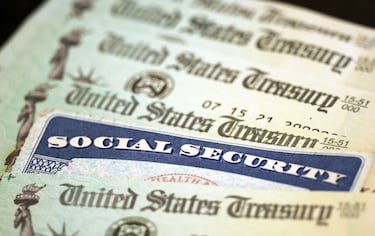
Whether or not this proves to be a brief shutdown, Social Security beneficiaries can expect to carry on receiving their monthly payments as normal - just as they did during last fall’s record-breaking stoppage.
This is because the SSA’s benefits schemes - be it retirement, disability and survivor pay, or the Supplemental Security Income program - are paid for by what’s referred to as mandatory funding. In other words: they aren’t dependent on periodic appropriations by Congress.
In the funding package at the heart of the current partial shutdown, spending earmarked for the SSA was for other purposes, such as reducing waiting times for appointments at the agency’s offices.
As is noted by Andy Markowitz and Deirdre Shesgreen, finance experts at the seniors’ association AARP: “[Benefits] have a dedicated, permanent funding source (primarily, the payroll taxes most of us pay on our work income) and are unaffected by the federal appropriations process.”
In a recently-published shutdown contingency plan, the SSA made plain its commitment to uninterrupted benefits, pledging to “continue activities critical to [...] ensure accurate and timely payment“.
What’s behind the shutdown?
The government funding gap comes down to a funding bill for the Department of Homeland Security (DHS), which oversees the U.S.’s immigration agencies.
Following the killing of Renée Good and Alex Pretti by federal immigration agents in Minneapolis in January, Democratic senators pushed back against passing the DHS funding legislation, which was in a bundle of six appropriations bills for the fiscal year running until September.
The Democratic Senate minority leader, Chuck Schumer, branded the DHS bill “woefully inadequate to rein in the abuses of ICE [Immigration and Customs Enforcement]”.
The year-long DHS bill has now been removed from the bundle, as lawmakers negotiate the inclusion of reforms to immigration authorities’ operations.
In the meantime, senators greenlit a temporary funding extension for the DHS, along with the five longer-term spending bills, before passing the revised funding package to the House for its approval.
Sen. @PattyMurray: “Over the next few days, Senate Democrats will be focused on negotiating real restraints to put an end to the chaos we're seeing on our streets.” pic.twitter.com/gkCkpwvRmS
— Senate Democrats (@SenateDems) January 31, 2026
Related stories

Get your game on! Whether you’re into NFL touchdowns, NBA buzzer-beaters, world-class soccer goals, or MLB home runs, our app has it all.
Dive into live coverage, expert insights, breaking news, exclusive videos, and more – plus, stay updated on the latest in current affairs and entertainment. Download now for all-access coverage, right at your fingertips – anytime, anywhere.
Complete your personal details to comment