


Insomnia hurts your brain: Experts share tips on how to get a good night’s sleep
Insomnia has affected a large portion of the population at one time or another; here’s how to avoid it.
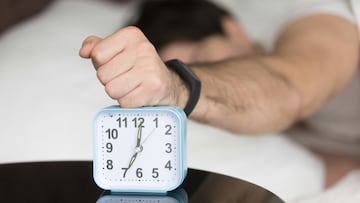

Having trouble sleeping every now and then is normal, but when insomnia becomes chronic, the consequences may go far beyond feeling tired. A mammoth study led by researchers at the Mayo Clinic suggests that persistent sleeplessness in older adults could sharply increase the risk of developing dementia.
The research followed nearly 2,800 adults in their seventies who showed no signs of memory loss at the start. Those who consistently reported insomnia were about 40% more likely to develop mild cognitive impairment or dementia later on compared with those who slept more soundly.
Added to that, brain scans revealed that participants with insomnia showed patterns similar to people who had aged an extra three to four years.
me every night wide awake cursed by insomnia pic.twitter.com/9Pd3hgyqC0
— ꫂ❀ (@iloveurdarksoul) September 9, 2025
How to get a good night’s sleep
“The main takeaway for this study is that chronic insomnia may be a modifiable risk factor for cognitive decline,” lead study author Dr. Diego Carvalho, assistant professor of neurology, explained to CNN.
Scientists also found that people with insomnia tended to have more proteins tied to Alzheimer’s. For those carrying the APOE e4 gene, which heightens Alzheimer’s risk, the impact of poor sleep was even greater.
“We can’t say for sure that treating insomnia will necessarily reduce those risks, because we lack that data … but I think there is a growing interest in that potential venue,” Carvalho added.
The American Academy of Sleep Medicine says that about 12% of Americans suffer from chronic insomnia, the difficulty falling asleep or staying asleep. The resulting daytime fatigue, depression and low motivation can lead to accidents, lost productivity and other consequences. The… pic.twitter.com/LiDEslsDBn
— PBS News (@NewsHour) August 17, 2025
To overcome insomnia, Dr. Cheri D. Mah, a sleep physician specialising in the sleep and performance of elite athletes, told CNN that people should “make your room like a cave,” adding that “you want it to be really dark, quiet and cool — as well as comfortable.” Carvalho also says that limiting screen time before bed, as well as limiting caffeine and alcohol can all help set you up for a good sleep when the Sun goes down.
Related stories


Get your game on! Whether you’re into NFL touchdowns, NBA buzzer-beaters, world-class soccer goals, or MLB home runs, our app has it all.
Dive into live coverage, expert insights, breaking news, exclusive videos, and more – plus, stay updated on the latest in current affairs and entertainment. Download now for all-access coverage, right at your fingertips – anytime, anywhere.
Complete your personal details to comment