


New research links light exposure at night to inflammation and long-term cardiovascular danger.

Jayne Morgan, cardiologist, on sleeping in the dark: “Those with brighter bedrooms have shown higher rates of heart disease”

A new analysis presented at the American Heart Association Scientific Sessions 2025 suggests that even small amounts of artificial light during sleep may trigger stress-linked brain activity that fuels arterial inflammation.
Why you should sleep in darkness?
Over a decade of follow-up, 17 percent of the 466 adults in the study developed major cardiovascular problems, and researchers reported that each standard-deviation increase in nighttime light exposure corresponded to a sharply higher likelihood of heart attack: 35 percent over five years and 22 percent over ten. The study, conducted at Massachusetts General Hospital and highlighted by Healthline, has not yet undergone peer review.
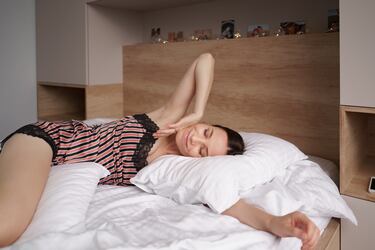
Researchers matched participants’ home light levels with satellite-derived brightness estimates and found consistent connections between artificial light at night and chronic vascular inflammation. Those living amid environmental stressors such as traffic noise and lower-income neighborhoods faced even steeper risk curves.
Cardiologist Jayne Morgan, who spoke to Healthline but was not involved in the study, said the mechanism aligns with what clinicians see. She noted that individuals sleeping in brighter rooms repeatedly show higher rates of heart disease because melatonin production, blood-pressure regulation, and early-morning hormone timing are all thrown off when the body does not receive prolonged darkness.
More tips for a good night’s sleep
Her concerns echo earlier controlled experiments, including a 2022 lab study in which volunteers sleeping in roughly 100 lux experienced elevated heart rates, diminished deep sleep, and reduced insulin sensitivity. Other observational research has linked indoor night-time light to atherosclerosis and increased sleep disturbances.
Morgan says a darker sleep environment is a simple, evidence-supported preventive step. That includes tightly closing curtains, using blackout materials, sealing door gaps, wearing a sleep mask, and choosing motion-activated nightlights instead of constant ones.
Related stories
Get your game on! Whether you’re into NFL touchdowns, NBA buzzer-beaters, world-class soccer goals, or MLB home runs, our app has it all.
Dive into live coverage, expert insights, breaking news, exclusive videos, and more – plus, stay updated on the latest in current affairs and entertainment. Download now for all-access coverage, right at your fingertips – anytime, anywhere.
Complete your personal details to comment