


If you find your high-protein targets also come with a side of bloating or discomfort, there are other options available.

Lindsay Malone, nutritionist, explains how to boost digestibility by “eating foods rich in probiotics”

Protein has become the nutritional obsession of the moment, but piling it on without thinking about digestion can backfire. According to registered dietitian Lindsay Malone, how your body processes protein is just as important as how much you eat.
“Eating foods rich in probiotics helps add to and strengthen the existing colony of good bacteria in your gut,” Malone explains. That balance, she says, supports digestion and can reduce the discomfort people often associate with higher-protein diets.
Get into Greek yogurt
In a recent Good Housekeeping article by Laura Iu, Malone highlights Greek yogurt as one of the simplest ways to pair protein with digestive support. Because it contains live and active cultures, Greek yogurt not only delivers concentrated protein but also introduces beneficial bacteria that help the gut do its job more efficiently.

Fermented plant-based proteins offer similar benefits. Tempeh, made from fermented soybeans, combines protein, fiber, and probiotics, making it easier to tolerate than many heavily processed meat substitutes. Lentils also earn Malone’s approval, provided they are prepared properly. Soaking or pressure-cooking them can reduce compounds that irritate sensitive digestive systems while preserving their fiber-rich benefits.
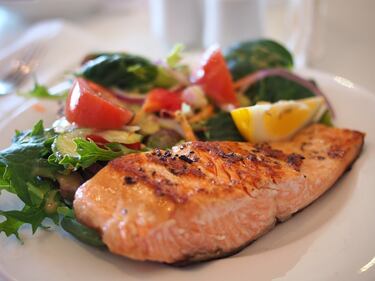
Malone also points to wild fatty fish such as salmon and sardines, which are easier to digest than tougher cuts of meat and supply anti-inflammatory omega-3s that help soothe the gut.
Her approach is clearly a very practical one, not going for any extreme measures. Instead of chasing protein numbers, she simply recommends anchoring meals with protein sources that actively support digestion. The result is a diet that fuels the body without fighting it. Right, I’m off to the local store.
Related stories
Get your game on! Whether you’re into NFL touchdowns, NBA buzzer-beaters, world-class soccer goals, or MLB home runs, our app has it all.
Dive into live coverage, expert insights, breaking news, exclusive videos, and more – plus, stay updated on the latest in current affairs and entertainment. Download now for all-access coverage, right at your fingertips – anytime, anywhere.
Complete your personal details to comment