


The story of Cosmo Edmund Duff Gordon: ‘The Titanic Coward’ who disregarded the phrase “women and children first”
When the Titanic was sinking, he and his wife and secretary boarded a rescue boat that was occupied by only twelve people and did not go to the rescue of the survivors swimming in the sea.


Cosmo Edmund Duff Gordon was a Scottish baron who studied at the elite Eton College and even won a silver medal in fencing at the 1906 Summer Intercalated Olympic Games in Athens, which are not currently recognized by the IOC. But his fame is due to his controversial role during the sinking of the Titanic in the early hours of April 14-15, 1912.
In 1912, Gordon was 49 years old and traveling first class with his wife, Lucile Christiana Sutherland, and their secretary, Laura Mabel Francatelli. They boarded the Titanic under the assumed name of Mr. and Mrs. Morgan and occupied cabins A-16 and A-20. They both wanted to go unnoticed because Lucile was a famous fashion designer who dressed the high society of the time, movie stars and even royalty. In fact, the trip to New York was intended to open a fashion salon there. In addition, the couple always tried to be discreet because she was a divorced woman and had a sister who was an author of erotic literature, which at the time was a scandal and complicated her integration into high society.
The night of the sinking
On the fateful night of the sinking of the Titanic, which struck the iceberg at 23:40, the couple and their secretary arrived on the top deck, where there was a crowd. When they finished lowering the large boats 7, 5 and 3 from starboard, and the lowering of the port boats began, most people went to the other side of the ship, but the Duff Gordons decided to stay on the starboard side. They watched as the crew began to prepare boat number 1. It was one of the two smaller boats on the ship. They could hold 40 people and were intended for the salvage of the crew. Gordon asked permission to board the boat from First Officer William McMaster Murdoch, who granted it.
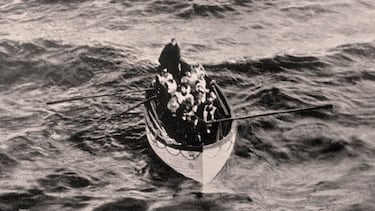
In a boat intended for 40 people, only 12 boarded, including two women, Gordon’s wife and secretary. The rest were two other first-class passengers, a lookout and six stokers. The order to fill the boats with women and children was not respected and at 1:05 a.m. the fifth boat to leave the Titanic was miraculously lowered. A steel cable got stuck and nearly capsized.
Once in the water, the boat drifted away from the Titanic and the sailors rowed toward a light they thought was a ship, but which turned out to be the northern lights reflected in an iceberg. Then, they heard four explosions on the sinking ship and people in the water screaming for help. One crewman proposed going back to try to save more people, but Gordon’s wife and secretary refused. A vote was even taken, which ended in a tie at six. Three sailors and three passengers voted against. Gordon then offered five pounds to the sailors on the boat as soon as they were safe and sound. According to him, it was a tip because they had lost their belongings and their pay for the voyage due to the shipwreck.
Rescue and investigation
Lifeboat number 1 was rescued by the RMS Carpathia at 4:10 am. It was the second lifeboat rescued. A day later, Gordon paid the crew members the promised five pounds.
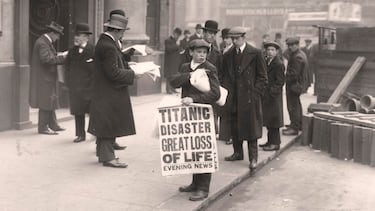
Cosmo and his wife Lucile were investigated by Scotland Yard to clarify whether they bribed the crewmen not to return to rescue more castaways. After questioning the twelve survivors of the boat, any legal action against the couple was ruled out, although they were all reprimanded for not attempting to rescue more survivors. However, this resolution did not convince public opinion, which baptized the boat as ‘The Money Boat’ and Cosmo Edmund Duff Gordon as ‘The Coward of the Titanic’.
Related stories


Get your game on! Whether you’re into NFL touchdowns, NBA buzzer-beaters, world-class soccer goals, or MLB home runs, our app has it all.
Dive into live coverage, expert insights, breaking news, exclusive videos, and more – plus, stay updated on the latest in current affairs and entertainment. Download now for all-access coverage, right at your fingertips – anytime, anywhere.
Complete your personal details to comment