


This is the reason why coffee prices are increasing: America’s favorite drink is getting more and more expensive
Coffee prices have risen by a dollar per pound just since the start of the year but if Trump goes through with his tariff threat on Brazil they could soar.
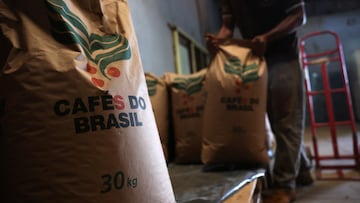

Americans love their coffee, drinking on average three cups the beverage each day. But that habit has been getting costlier, jumping a dollar since the beginning of the year alone, with the average price per pound now $8.13.
The price could rise even more in the coming months if President Donald Trump follows through with his threat to levy a 50% tariff on goods from Brazil, the biggest coffee producer in the world.
Why coffee has gotten so expensive
Back-to-back poor harvests in Brazil as well as in Vietnam, the second-largest producer of Americans’ preferred Arabica beans, have played a major role in driving up the price of coffee in recent years. They were hit with droughts, and then torrential rains that further lowered yields both driven by the effects of climate change.
Additionally, growing demand in the United States, the largest importer of coffee, has helped push prices up.
Tariffs that Trump has already imposed on global imports have already caused prices to rise in the United States. America imports 99 percent of coffee consumed in the nation as only Hawaii and Puerto Rico have climates suitable to grow coffee beans.
Nearly 31 percent of those come from Brazil and the US industry depends on beans from that nation for making their products. “Most of the industry relies on those coffees to be the backbone of their blends,” said Jeff Yerxa, co-founder of Lost Sock Roasters, speaking to NPR.
Imposing an additional 50% levy on imports from Brazil will mean consumers will have even more sticker shock when they go to buy coffee. Monica de Bolle, senior fellow at the Peterson Institute for International Economics, told NPR that it will first be felt at the supermarket and then at cafes and restaurants a few months after the tariffs go into effect.
“When people go to their local coffee shop, whether it’s Starbucks or something else, by and large they will likely be buying some form of Brazilian coffee,” she said. “A 50% tariff will kill that market.”
Related stories
Get your game on! Whether you’re into NFL touchdowns, NBA buzzer-beaters, world-class soccer goals, or MLB home runs, our app has it all.
Dive into live coverage, expert insights, breaking news, exclusive videos, and more – plus, stay updated on the latest in current affairs and entertainment. Download now for all-access coverage, right at your fingertips – anytime, anywhere.
Complete your personal details to comment