


What are the differences between a cardinal elector, cardinal eligible and cardinal absent?
Cardinals play a crucial role in the election of the Pope, but what are the differences between an elector, eligible, and absent cardinal?

The election of a new pope is one of the most significant events in the Catholic Church. This process, known as the Conclave, involves the cardinals, each with specific and distinct roles.
The conclave: a historic process
The Conclave is the procedure by which the cardinals elect the new pope. It takes place in the Sistine Chapel, where cardinals gather in total isolation from the outside world. The tradition dates back to the 13th century, when Pope Gregory X instituted it to prevent outside interference and ensure a pressure-free election. During the conclave, only cardinals under the age of 80 are allowed to vote, and a two-thirds majority is required to elect the new pontiff.
Elector cardinals
Elector cardinals are those who have the right to vote in the Conclave. According to current rules, only cardinals under 80 years old may participate in the voting. This group plays a crucial role in selecting the pope, as they determine the next leader of the Catholic Church through a secret ballot. Currently, there are 135 elector cardinals out of a total of 252 cardinals worldwide.
Eligible cardinals
Eligible cardinals are those who can be considered for election as pope. While all cardinals under 80 are electors, not all are necessarily eligible to become pope. Eligibility depends on various factors, including experience, reputation, and influence within the Church. Historically, popes have been chosen from among the cardinals, though it is not an absolute requirement.
Absent cardinals
Absent cardinals are those who, for various reasons, cannot participate in the conclave. This may be due to health issues, personal obligations, or other circumstances that prevent them from being in Rome for the election. While they do not vote, their absence does not affect the validity of the conclave, as long as the required quorum of elector cardinals is met.
The importance of isolation
Related stories

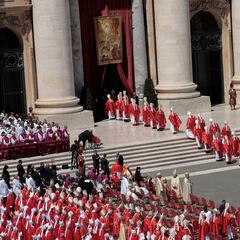
During the Conclave, elector cardinals are completely cut off from the outside world. Electronic devices and contact with anyone outside the conclave are strictly forbidden. This isolation is essential to ensure that the election takes place without external influence and in a setting of reflection and prayer. Security and secrecy are paramount, and any breach of these rules can result in excommunication.
Declarations and key dates
The papal election process follows a strict schedule. After the pope’s death, the conclave must begin between 15 and 20 days later. During this time, the cardinals prepare and ensure all necessary arrangements are in place. The Dean of the College of Cardinals is responsible for convening the cardinals and overseeing the process.
Complete your personal details to comment