


What is Antifa? The parallels between Trump targeting the “radical left” and McCarthyism in the 1950s
As Trump revives talk of a “domestic war” on Antifa, his rhetoric recalls America’s Cold War purges, when dissent was branded disloyalty and fear became a weapon.
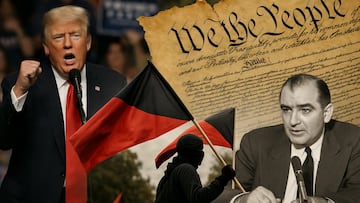

It feels to many that a chilling phrase is circulating again in U.S. politics: “the enemy within.” United States Attorney General Pam Bondi suggested that the Department of Justice would go after Americans they “deem as Antifa,” promising to handle them “just like we did with cartels.”
BREAKING: In a shocking moment, AG Pam Bondi suggests that the DOJ will execute American citizens they deem as Antifa, "Just like we did with cartels, we're going to take this same approach with antifa."
— Really American 🇺🇸 (@ReallyAmerican1) October 8, 2025
This attorney general is unhinged.pic.twitter.com/NPHyfubgzx
Novelist Don Winslow took to X to warn his 1.5 million followers that Donald Trump was preparing to use Antifa as a pretext to “declare civil war” and deploy the military in U.S. cities.
You understand what is about to happen, right?
— Don Winslow (@donwinslow) October 9, 2025
Trump has crashed the economy, lost our standing in the world, and Republicans cannot win the mid-terms if its a fair election.
So enter ANTIFA and the insurrection act and the military in cities and civil war. That's their plan.
It may sound apocalyptic, but a coordinated campaign of silencing perceived leftists – whatever that really truly means – is already underway. After the killing of far-right activist Charlie Kirk, teachers, journalists and even late-night host Jimmy Kimmel have been doxxed or dismissed for criticising him. The message: those who question the right risk professional ruin.
From McCarthy’s blacklists to digital witch hunts
The echoes of the 1950s Red Scare are unmistakable. Senator Joseph McCarthy’s crusade against alleged Communists depended on accusation, intimidation and the public naming of enemies. Today, similar tactics unfold on social platforms where anonymous users expose critics and tag their employers. An online version of the loyalty oath.
Vice President JD Vance told people to “call them out,” something that mirrors the logic of those Cold War hearings. It’s moral panic dressed as patriotism. Then as now, dissent is painted as disloyalty, and political fear becomes a tool of control.
Why does Trump have an Antifa fixation?
Trump’s new executive order designating Antifa a “domestic terrorist organisation” takes that paranoia a step further. Antifa – short for anti-fascist – is not actually a structured group, despite some of the things said, but a loose movement opposing far-right extremism, the likes seen from Hitler, Franco and Mussolini. There are, though, some who wear the colors or wave the flag of anti-fascism who go too far, and have opened the door for everyone to be tarred as extremists. The FBI, for its part, has repeatedly said it’s better described as an ideology, not an organisation, yet Trump insists it must be “dismantled.”
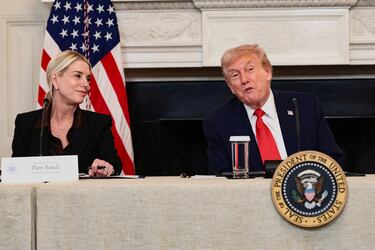
Legal scholars warn there’s no constitutional basis for treating a domestic political current as a terrorist entity.
During the Army-McCarthy hearings of 1954, a lawyer famously asked, “Have you no sense of decency?” Seven decades later, it’s worth asking again. When citizens fear being labelled radicals simply for dissenting, democracy’s foundations begin to erode.
Related stories
Get your game on! Whether you’re into NFL touchdowns, NBA buzzer-beaters, world-class soccer goals, or MLB home runs, our app has it all.
Dive into live coverage, expert insights, breaking news, exclusive videos, and more – plus, stay updated on the latest in current affairs and entertainment. Download now for all-access coverage, right at your fingertips – anytime, anywhere.
Complete your personal details to comment