

Open-world video games and nostalgia: the formula for happiness?
A scientific study reveals the positive impact of interactive entertainment and art on young people’s mental health, and how open-world video games and Hayao Miyazaki films can improve emotional well-being.

A recent scientific study found that interactive entertainment and art can have a positive impact on the mental health of young people, a segment of the population facing increasing levels of anxiety and sadness. The research, published in the US National Institutes of Health database, reveals that both open-world video games, such as The Legend of Zelda: Breath of the Wild, and Studio Ghibli films can improve emotional well-being.
The study set out to unravel the link between these forms of entertainment and happiness, closely examining how they influence participants’ sense of exploration, calmness, mastery of skills, and purpose in life.
An experiment to measure well-being
The study methodology was based on a controlled laboratory experiment with a sample of 518 graduate students. Participants were divided into four groups, randomly assigned to experience one of the following conditions:
- Playing an open-world video game.
- Not playing any video games.
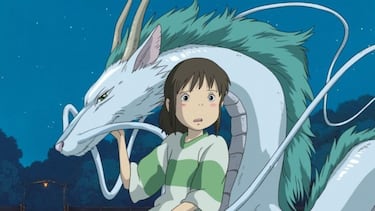
- Watching Studio Ghibli films, such as My Neighbor Totoro.
- Not watching any films.
The researchers measured the impact of each of these activities on the subjects’ overall perception of happiness.
What was found?
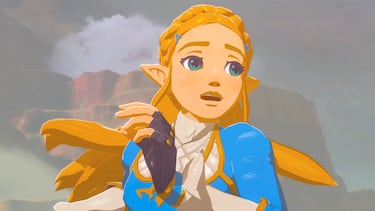
The study’s findings highlight that, as expected, open-world video games such as The Legend of Zelda: Breath of the Wild can have multiple positive effects on happiness and well-being. The key factor was found to be the sense of exploration these games offer. This quality, which resembles the inherent human desire for adventure and discovery, generates a sense of wonder and joy that is often difficult to find in everyday life.
The research also found that nostalgia, a feeling evoked by Studio Ghibli films, has a similar, albeit different, impact. Hayao Miyazaki’s stories, rich in their sense of wonder, contribute to a feeling of calm and purpose, which adds to people’s overall happiness. In essence, the study concludes that both actively exploring a virtual world and nostalgically immersing oneself in a beloved story can be valuable tools for improving people’s mood and well-being.
The fusion of science and digital entertainment
This study represents a crucial step in validating the positive impact that video games and movies can have on mental health. For a long time, these types of pastimes have been seen simply as an escape, but science is beginning to show that they are much more than that. Quality entertainment, whether interactive or narrative, is a powerful tool that can enrich emotional life, offer respite, and, in the process, contribute to a deeper and more lasting sense of happiness.
Related stories
Follow MeriStation USA on X (formerly known as Twitter). Your video game and entertainment website for all the news, updates, and breaking news from the world of video games, movies, series, manga, and anime. Previews, reviews, interviews, trailers, gameplay, podcasts and more! Follow us now!
Complete your personal details to comment