


Experience over youth? Matt Ryan reveals why older quarterbacks are dominating in 2025
Veteran QBs may soon find themselves overshadowed by a new generation in the NFL. But not today.


Time creeps up on us all, but seemingly not the veteran generation of quarterbacks in the NFL this season, who are outperforming their younger counterparts across the league.
Quarterbacks such as Aaron Rodgers and Joe Flacco remain active this season at 41 and 40 years old respectively, a rare showing of longevity in a sport built on youth and speed.
And then there’s Matt Ryan. At age 40, he argues there’s still something to be said for experience and longevity in the game. In a recent interview, the veteran didn’t shy away from discussing aging, the evolving dynamics of quarterback development, and why steady hands often get the nod over inexperienced youth.
This Angle of Aaron Rodgers running it in for a Touchdown #steelers pic.twitter.com/L3xKHBV9Dk
— Matthew Luciow (@matthewluciow92) December 8, 2025
Teams “less inclined to commit long-term to developing quarterbacks”
Ryan spoke openly about how aging athletes face physical challenges, pointing out that after 40, the body tends to lose roughly 8% of muscle mass per decade, making maintenance harder.
But rather than lamenting decline, he said he’s doubling down on staying fit, working out regularly, and investing in his long-term well-being. That kind of discipline and self-awareness is commonplace in the NFL and modern sports in general, and reflects the mindset needed to endure at the top.
Ryan also pointed to structural changes in the NFL over the years, most notably changes to rookie contracts, as a factor making organisations less inclined to commit long-term to developing quarterbacks: “The change in the Collective Bargaining Agreement back in 2011 where the rookie contracts changed, and the financial risk and the long-term contract signing changed... there was a commitment to that. They had to ride out some of that [development]," he explained.
Listen. In 2026, Joe Flacco just should be the official NFL all-time QB. If your QB suffers a season-ending injury, you should be able to sign Flacco for up to four games and pay him the pro-rated franchise tag. Just make this easier for everyone involved.
— Bill Barnwell (@billbarnwell) December 8, 2025
Related stories
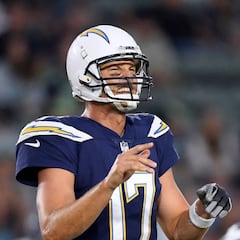

“I think some of the changes in the structuring have led teams to where the financial repercussions and the length of contract repercussions are not there. And I think that’s become harder on the player, you know, coming in, is that there isn’t those guardrails put in place to protect the development and the growth...,” he added, “I think teams are more willing to take another chance on a pick or to move on... . I think this is part of a structural setup of the NFL, and I think we’ll probably see more of this as we move forward.”
Get your game on! Whether you’re into NFL touchdowns, NBA buzzer-beaters, world-class soccer goals, or MLB home runs, our app has it all. Dive into live coverage, expert insights, breaking news, exclusive videos, and more – plus, stay updated on the latest in current affairs and entertainment. Download now for all-access coverage, right at your fingertips – anytime, anywhere.
Complete your personal details to comment