


A controversial meeting between the Bills and Chiefs in 2022 forced the league to make one big change to OT regulations.

What are the NFL playoffs overtime rules for the 2025 season?
The National Football League introduced sudden-death overtime in 1974 and the rules governing the extra phase of the game have evolved greatly over the past 50 years.
The most recent change came in 2025 and these are the current overtime rules.
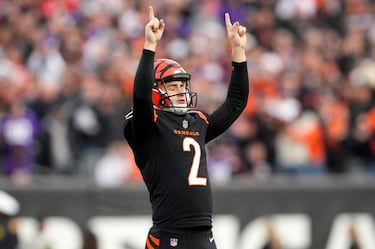
New postseason NFL overtime rules
These rules come directly from the NFL Operations website to avoid confusion and keep the language exactly the way the rules are laid out by the league:
- If the score is still tied at the end of an overtime period — or if the second team’s initial possession has not ended — the teams will play another overtime period. Play will continue regardless of how many overtime periods are needed for a winner to be determined.
- There will be a two-minute intermission between each overtime period. There will not be a halftime intermission after the second period.
- The captain who lost the first overtime coin toss will either choose to possess the ball or select which goal his team will defend, unless the team that won the coin toss deferred that choice.
- Each team will have an opportunity to possess the ball in overtime.
- Each team gets three timeouts during a half.
- The same timing rules that apply at the end of the second and fourth regulation periods also apply at the end of a second or fourth overtime period.
- If there is still no winner at the end of a fourth overtime period, there will be another coin toss, and play will continue until a winner is declared.

What is the longest overtime in NFL history?
Although the rules allow for it, there has never been a third overtime period in NFL history. Most overtimes are concluded within the first period, with a small percentage extending slightly into a second. One, however, lasted longer.
A 1971 meeting between the Dolphins and the Chiefs lasted over 80 minutes. The game finished 24-24 at the end of the regulation 60 minutes and the first period of OT went scoreless as both teams failed in their attempts to convert a field goal.
The game dragged into a second overtime period and was only brought to a close when, midway through that second period, Miami’s Garo Yepremian scored a 37-yard field goal to clinch the win. The Dolphins went on to lose to the Cowboys in that year’s Super Bowl but they came powering back, winning the next two championships and recording the only perfect season in NFL history.
Related stories


The Pats' most famous fans
Get your game on! Whether you’re into NFL touchdowns, NBA buzzer-beaters, world-class soccer goals, or MLB home runs, our app has it all.
Dive into live coverage, expert insights, breaking news, exclusive videos, and more – plus, stay updated on the latest in current affairs and entertainment. Download now for all-access coverage, right at your fingertips – anytime, anywhere.
Complete your personal details to comment