



Before Iran, which national teams have withdrawn from a FIFA World Cup?
Iran's withdrawal from the 2026 World Cup revives a little-told story, of how national teams, due to politics, money or conflicts, left their place in a World Cup vacant.
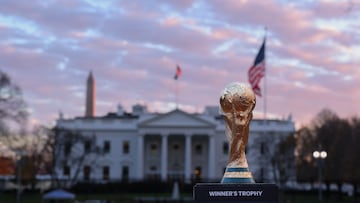
The soccer world was jolted once again by a stunning development – Iran’s national team has announced it will not take part in the 2026 FIFA World Cup, which will be held in Mexico, the United States and Canada. The decision, made by the Iranian government amid geopolitical tensions and a recent armed conflict, disrupts the tournament’s planning and reopens an old chapter in the history of the sport – the teams that, for different reasons, have chosen to step away from the biggest stage in soccer.
According to Iranian sports authorities, the country’s domestic situation, worsened by military attacks and the political crisis that followed them, makes it impossible to compete in a tournament that also has several games scheduled in the United States. Under those circumstances, the government deemed it unworkable to send the national team, despite the fact that it had secured qualification through the Asian qualifiers. Extraordinary as it may seem, it would not be the first time a national team has decided to withdraw from the World Cup even after earning its place on the field.
When the World Cup is also played off the field
One of the most memorable cases came in 1934, when Uruguay, champion of the first World Cup, refused to defend its title in Italy. The Uruguayan federation was protesting the fact that several European teams had declined to travel to South America for the 1930 tournament, and it therefore chose not to attend the championship on European soil.
The 1950 World Cup was also marked by unexpected withdrawals. India, Turkey and Scotland all pulled out before the tournament. The reasons varied, ranging from financial problems covering the trip to administrative disputes and difficulties with player registration.
Decades later, politics again made its way into soccer. In 1966, African federations staged a historic boycott when every team from the continent withdrew from the World Cup qualifying process after deeming the system unfair because it gave them too few places in the final tournament.
Even during the Cold War, political tension left its mark. The Soviet Union refused to play a playoff against Chile for a place at the 1974 World Cup because of the political situation following Chile’s military coup. The game was never played, and the spot was automatically awarded to the South American side.
A reminder that soccer does not exist in isolation
Iran’s case shows that although the World Cup is decided by goals, its story is often written away from the field. Wars, diplomatic tensions, boycotts and economic crises have caused absences that reshape schedules, groups and even the memory of the tournaments themselves.
Now the ball is in FIFA’s court, as it must decide how to fill the vacancy in the 2026 World Cup and whether Iran’s federation will face sanctions. What is clear is that in the tournament that promises to be the biggest in history, one of the first major stories has already been written before the ball has even rolled.
Related stories
Get closer to the game! Whether you like your soccer of the European variety or that on this side of the pond, our AS USA app has it all. Dive into live coverage, expert insights, breaking news, exclusive videos, and more. Plus, stay updated on NFL, NBA and all other big sports stories as well as the latest in current affairs and entertainment. Download now for all-access coverage, right at your fingertips – anytime, anywhere.
And there’s more: check out our TikTok and Instagram reels for bite-sized visual takes on all the biggest soccer news and insights.
Complete your personal details to comment