


3 ways to legally avoid or reduce Social Security overpayment garnishment affecting more than 1,000,000 beneficiaries
Here are three legal ways to avoid garnishment — or at least reduce its hefty bite into your savings.
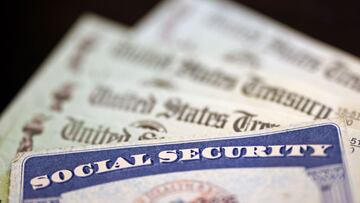

As of July 24, 2025, the Social Security Administration (SSA) has begun withholding up to 50% of monthly benefit payments from over one million retirees, disabled workers, and survivors who received overpayments.
These collections, known as garnishment, follow 90-day notices issued from April 25, and continue until the debt is fully repaid.
1. Apply for a Waiver (due to “no‑fault” hardship)
If the overpayment wasn’t your fault, for instance, due to SSA error or a life change you didn’t realise required reporting, you can request a waiver.
Waivers are available when repaying the debt would create severe financial hardship. SSA reviews household income, expenses, and assets. If granted, the debt may be forgiven entirely or substantially reduced, and garnishment avoided.
Quick tips:
- Submit the waiver form within 90 days of your notice to have the best chance.
- Gather proof—like rent or utility bills, medical expenses, or proof of low income—to support your case.
Social Security recipients that received a notice of overpayment will have 90 days to submit a waiver or sign up for a repayment plan. pic.twitter.com/m7ASM45Q02
— USA TODAY Tech (@usatodaytech) July 21, 2025
2. Request Reconsideration or Repayment Plan
Think the SSA made a mistake? You can file for a reconsideration to dispute the amount. Request a lower garnishment rate based on your current financial situation.
SSA lets many beneficiaries reduce the withholding below 50%—sometimes back down to the traditional 10% rate—if you make your case convincingly.
Quick tips:
- Reconsideration can stop garnishment even after it starts, though acting before July 24 gives you more leverage.
- Provide documentation showing income, living costs, and hardship to support your request.
3. Take Protective Steps with Your Bank Account
While SSA garnishment hits before your money arrives, private creditors can’t garnish Social Security benefits under federal law (Section 207 and the Consumer Credit Protection Act).
Still, if your benefit payments go into a bank account, other creditors might try to levy funds beyond the standard two‑month protection window.
Quick tips:
- Use direct deposit or the official benefit debit card.
- Set up a separate account solely for your SSA payments, ensuring it’s easier to prove the funds’ origin if challenged Kiplinger.
Related stories


Get your game on! Whether you’re into NFL touchdowns, NBA buzzer-beaters, world-class soccer goals, or MLB home runs, our app has it all.
Dive into live coverage, expert insights, breaking news, exclusive videos, and more – plus, stay updated on the latest in current affairs and entertainment. Download now for all-access coverage, right at your fingertips – anytime, anywhere.
Complete your personal details to comment