


This fluffy, grumpy cat cannot be owned as a pet: These wild animals look domestic, but ownership is impossible
Considered the most expressive of all cat species, don’t let their cute faces fool you. The Pallas’s cat, or otocolobus manul, has a temper like no other.
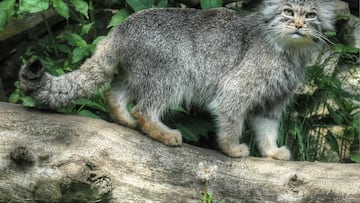

The Pallas’s cat, also known as a manul, from its scientific name otocolobus manul, might look like it could be a cuddly house companion. However, these small wildcats have never been domesticated, nor is it legal to own one. At first glance, a Pallas’s cat might look a bit like a Tabby housecat with extra-long fur but upon closer inspection you’ll notice it has very distinctive traits.
These wildcats inhabit the Eurasian steppes from northern Iran to eastern China and into the Himalaya Mountains. It’s not known, however, exactly how many of them there are as they are extremely elusive and can easily blend in with their surroundings.
There’s attitude behind this cat’s cuddly appearance
Manul may look like little fluff balls of fur, but they are highly territorial and have earned the nickname “the grumpiest cat.” That is thanks in part to their highly expressive faces which is aided by the fact that they have round pupils instead of slits like housecats, giving them more human-like expressions.
In the remote landscapes of Iran, photographer Seyed Babak Musavi captures a rare, fleeting glimpse of the elusive Pallas's cat. pic.twitter.com/6ynbbArbpw
— Earth (@earthcurated) March 31, 2026
Another difference that you’ll notice is that their ears are stubby, not pointed, which is where they get the name otocolobus manul, meaning roughly “stumpy-eared cat.”
Their bodies are similarly stockier and lower to the ground than their domesticated cousins, which helps them stay low to the ground to stalk prey. And along with their camouflage this helps them avoid becoming dinner for predators from above.
Their fur makes them look much bigger than they are, but they are roughly the same size as a small housecat weighing up to a little more than eleven pounds. They have the thickest fur of any cat, which helps protect them from the extreme cold of their environment in the winter. They even sit on their thick tails to protect their feet from frostbite.
Should you see them at a zoo or in the wild and get a chance to hear them communicate, they do not meow. Instead, Pallas’s cats use chirping, growling, and honking noises, or yelping sounds similar to that of small dogs when excited or scared.
Related stories
Get closer to the game! Whether you like your soccer of the European variety or that on this side of the pond, our AS USA app has it all. Dive into live coverage, expert insights, breaking news, exclusive videos, and more. Plus, stay updated on NFL, NBA and all other big sports stories as well as the latest in current affairs and entertainment. Download now for all-access coverage, right at your fingertips – anytime, anywhere.
And there’s more: check out our TikTok and Instagram reels for bite-sized visual takes on all the biggest soccer news and insights.
Complete your personal details to comment