


Scientists drill into the ‘heart’ of Antarctica and extract the deepest rock ever drilled
A 23-million-year record hidden beneath Antarctica’s ice may reshape forecasts of how rising temperatures affect global coastlines.
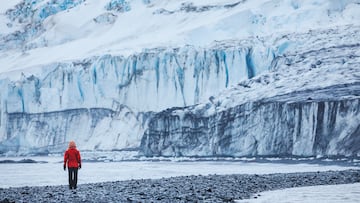
An international team of researchers has extracted 228 meters (748 feet) of rock and sediment from beneath the West Antarctic Ice Sheet – the longest core ever recovered under such extreme conditions. The breakthrough came as part of the SWAIS2C project, which aims to determine how this vast ice mass responded to past warming periods and what may lie ahead.
The drilling took place at Crary Ice Rise, more than 435 miles (700 kilometers) from the nearest Antarctic research station, in an area where the ice remains grounded to bedrock but is close to breaking away toward the Ross Ice Shelf.
To reach the subsoil, the team first bored a 523-meter (1,716-foot) hole through the ice using a hot-water drill. They then installed a geological platform to extract the sediment core.
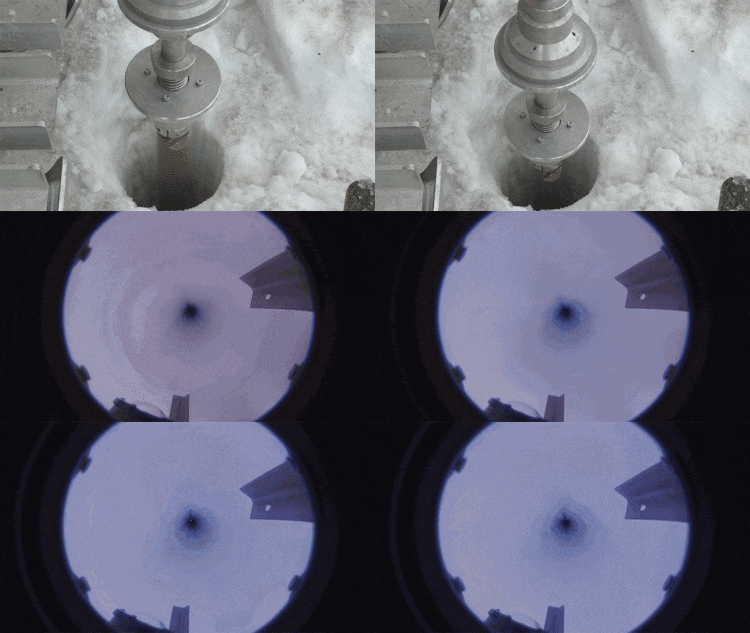
Preliminary dating of the core, based on fossilized algae found in the samples, suggests the record spans roughly 23 million years. It includes intervals when average global temperatures were higher than today – and even above those projected for the end of the century under current climate policies.
Clues to understanding ice retreat
Scientists analyzed each section as it surfaced. They identified layers of coarse gravel containing large rocks, associated with periods when ice covered the area, alongside fine mud layers containing algae remains and shell fragments. These finer sediments point to ice-free phases that may indicate the presence of “a beach leading to the open sea,” as the researchers described it.
Antarctica holds the planet’s largest reserve of freshwater in the form of ice. The complete collapse of the West Antarctic Ice Sheet could raise global sea levels by up to five meters (about 16 feet). The ice mass is already shrinking at an accelerated rate, heightening scientific concern over a possible temperature threshold that could trigger irreversible retreat.
According to Nature, these new geological data will help refine models projecting the future evolution of Antarctic ice. Understanding when and under what conditions it significantly diminished in the past is crucial to anticipating the impact of current global warming on sea levels and coastal regions worldwide.
Related stories
Get your game on! Whether you’re into NFL touchdowns, NBA buzzer-beaters, world-class soccer goals, or MLB home runs, our app has it all.
Dive into live coverage, expert insights, breaking news, exclusive videos, and more – plus, stay updated on the latest in current affairs and entertainment. Download now for all-access coverage, right at your fingertips – anytime, anywhere.
Complete your personal details to comment