


Silvio Garattini, an expert on longevity: “To live longer, the important thing is not to eat five times a day, but to eat in small quantities”
Italy’s leading longevity researcher breaks down the eating and exercise habits that matter most for living longer, healthier lives.
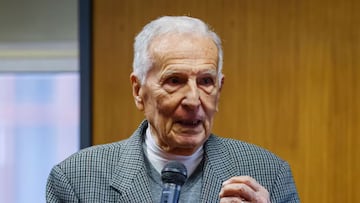
Silvio Garattini, a leading authority on longevity, has a simple message for anyone hoping to live longer: it is not about eating five times a day, but about eating less overall.
The veteran oncologist and founder of the Mario Negri Institute, one of Europe’s most respected medical research centers, recently shared his advice in an interview with Italy’s Corriere della Sera. After decades devoted to cancer research and the science of aging, Garattini distilled his thinking into practical guidance for living longer and better.
The keys to a longer life
Before getting into specifics, Garattini points to two core pillars of well-being: regular physical activity and moderate, healthy eating.
Daily movement, especially walking, plays a crucial role. Nutrition matters just as much, but the emphasis should be on small portions and balance rather than rigid meal schedules. “A diet should be varied and moderate,” he explains, noting that variety helps ensure the body gets the micro- and macronutrients it needs.
There is another, more modern concern as well. Because today’s food supply can contain environmental contaminants, eating a wide range of foods reduces the risk of accumulating too much of any single harmful substance.
How much to walk, and how to eat
Garattini practices what he preaches. He says he walks about three miles a day at a fairly brisk pace to maintain aerobic fitness. The key, he stresses, is consistency, not intensity, and it applies at any age. “It’s better than standing still,” he says.
As for how much is enough, the science is clear. He recommends between 150 and 300 minutes of physical activity per week. Doing more than that, he adds, does not provide additional health benefits.
Diet completes the picture. Garattini recalls an old saying familiar to many Americans from their grandparents: leave the table still a little hungry. Research supports the idea. Studies have shown that reducing calorie intake by about 30% can be associated with a roughly 20% increase in lifespan. “Eating less affects longevity,” he says.
On intermittent fasting, Garattini urges caution with the hype. Some studies, he notes, have found no meaningful difference between people who eat freely and those who leave 10 or 12 hours between meals. What truly matters is the total amount of food consumed. Whether you eat three times a day or five, smaller portions are what count.
Why habits matter more than you think
Ignoring these principles can set off a chain reaction of poor health. Many chronic illnesses, Garattini warns, are directly linked to unhealthy lifestyles.
The stakes are high. He points out that around 40% of cancers could be prevented through better habits. In Italy alone, about 180,000 people die from cancer each year. The implication is universal: small, daily choices around movement and food can have life-or-death consequences over time.
Garattini’s advice cuts through diet fads and wellness trends with a message grounded in decades of research. Walk regularly, eat modestly, and focus on consistency. Longevity, he suggests, is built one simple habit at a time.
Related stories
Get your game on! Whether you’re into NFL touchdowns, NBA buzzer-beaters, world-class soccer goals, or MLB home runs, our app has it all.
Dive into live coverage, expert insights, breaking news, exclusive videos, and more – plus, stay updated on the latest in current affairs and entertainment. Download now for all-access coverage, right at your fingertips – anytime, anywhere.
Complete your personal details to comment