


The heating trick that allows Icelanders to stay warm at below 0°F temperatures that many countries still fail to use
More than 90% of homes in Iceland do not use gas or electricity for heating, but instead take advantage of water from the volcanic subsoil.
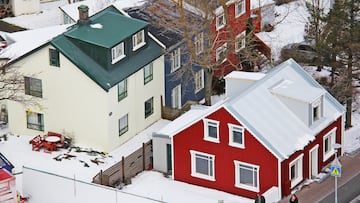
Keeping a home warm in winter without draining your bank account is not a fantasy in Iceland. While sky-high heating bills are a normal worry in many other countries, most Icelanders barely have to think about them.
The country has shown that there is a far more efficient alternative by making use of its natural resources. Its heating systems run continuously thanks to a geothermal network that pumps near-boiling water from underground into homes, maintaining a comfortable indoor temperature even when outdoor temperatures drop to -4°F.
A system powered by volcanic energy
This massive heating network works because of Iceland’s unique geography. The island sits on an area of intense volcanic activity, which gives it direct access to underground heat.
Engineers drill wells as deep as about 6,560 feet to reach underground water reserves, which are naturally heated by magma beneath the Earth’s surface. From there, water and steam are brought up to the surface, reaching temperatures that can exceed 392°F in the deepest zones.
Once the heat reaches the surface, it is transferred into the public utility system, and the water is distributed at around 194°F through miles of thermally insulated pipes. This system supplies more than 90% of Icelandic homes, powering radiators, radiant floor heating, and hot water systems. It runs around the clock with little interruption, regardless of snowstorms or freezing winds outside.
This model also stands out for its efficiency and its ability to minimize waste. Before reaching homes, geothermal steam is often used to spin turbines and generate electricity.
After the water has heated buildings, it is not simply discarded. Instead, it is reused to warm public swimming pools, regulate temperatures in agricultural greenhouses, or melt ice that builds up on sidewalks and roads.
Iceland is using geothermal energy to help farmers, above the arctic cycle, grow food all year round.
— Mike Hudema (@MikeHudema) February 8, 2025
We have the solutions. Implement them. #ActOnClimate #climate #energy #renewables #climatesolutions #EndFossilFuels pic.twitter.com/rqWPHqIHew
The alternative in other cold countries
Although this system is renewable, cost-stable, and helps shield Iceland from dependence on fossil fuels, it is difficult to reproduce on a large scale elsewhere in the world. Most countries remain tied to gas and electricity because they do not have the same level of volcanic activity, or because their geothermal resources are too limited or too difficult to develop on a broad scale.
Without access to such abundant natural energy, countries with similarly cold climates have had to find other ways to hold onto heat. In Norway, for example, builders often favor heat-treated construction materials instead of more conventional insulation products such as polystyrene. In Russia, by contrast, homes are often built with very thick walls to reduce heat loss.
Not every country has the same geological advantages, but Iceland shows what is possible when a nation fully uses the natural resources around it and invests in the infrastructure to support them. It is proof that, under the right conditions, it is possible to move beyond traditional heating systems altogether.
Related stories
Get closer to the game! Whether you like your soccer of the European variety or that on this side of the pond, our AS USA app has it all. Dive into live coverage, expert insights, breaking news, exclusive videos, and more. Plus, stay updated on NFL, NBA and all other big sports stories as well as the latest in current affairs and entertainment. Download now for all-access coverage, right at your fingertips – anytime, anywhere.
And there’s more: check out our TikTok and Instagram reels for bite-sized visual takes on all the biggest soccer news and insights.
Complete your personal details to comment