


This is the difference between El Niño and La Niña climate phenomena and how ‘Super El Niño’ could impact weather in 2026
The differences between the two common weather systems create the conditions that cause the disastrous hurricanes that have been seen in the past.
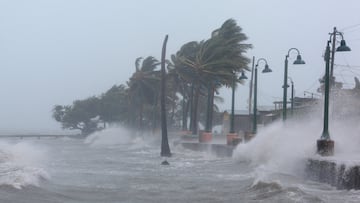

El Niño and La Niña are two opposing climate patterns that form part of the El Niño-Southern Oscillation (ENSO) cycle, significantly impacting global weather patterns, ecosystems, and economies. These phenomena occur every two to seven years on average, typically lasting 9 to 12 months, but can sometimes persist for years.
Meteorologists are forecasting a ‘Super El Niño’ for 2026 and 2027 that could greatly impact our weather with devastating effects including flooding, excessive heat and flooding in some regions.
Strongest El Niño on record this year?!
— Ben Noll (@BenNollWeather) April 6, 2026
New ECMWF guidance shows a *75% chance of a super El Niño* by October, with some scenarios suggesting the most intense event in more than a century.
It will bring wide-reaching weather impacts that last into 2027 🧵 pic.twitter.com/cRZrxGCxAa
Both El Niño and La Niña can have far-reaching effects on global weather patterns, influencing temperatures, rainfall, and extreme weather events worldwide. These phenomena can impact food production, human health, and water supply across different regions.
For instance, El Niño typically leads to increased global temperatures, while La Niña has a cooling effect.
What weather is seen in an El Niño?
El Niño, Spanish for “The Little Boy,” is characterised by warmer-than-average sea surface temperatures in the central and eastern tropical Pacific Ocean. During an El Niño event, the Pacific jet stream shifts southward, leading to warmer and drier conditions in the northern US and Canada a swell as wetter conditions and increased flooding in the Gulf Coast and Southeast.
El Niño can have significant impacts on marine life, reducing phytoplankton populations and affecting the entire food chain.
An El Niño is officially developing for 2026 and is currently forecast to reach Super event status, triggering a global weather shift. The first impacts are expected as early as summer 2026, including effects on the Hurricane season, with the strongest influence expected during…
— SWE | severe-weather.eu (@severeweatherEU) April 9, 2026
What weather is seen in La Niña
La Niña, meaning “The Little Girl,” is the opposite of El Niño, featuring cooler-than-average sea surface temperatures in the same region. During a La Niña event, the jet stream is pushed northward, resulting in drought conditions in the southern US. Conversely, heavy rains and flooding occur in the Pacific Northwest and Canada
La Niña can lead to a more severe hurricane season and supports increased marine life along the Pacific coast.
Related stories

Get closer to the game! Whether you like your soccer of the European variety or that on this side of the pond, our AS USA app has it all. Dive into live coverage, expert insights, breaking news, exclusive videos, and more. Plus, stay updated on NFL, NBA and all other big sports stories as well as the latest in current affairs and entertainment. Download now for all-access coverage, right at your fingertips – anytime, anywhere.
And there’s more: check out our TikTok and Instagram reels for bite-sized visual takes on all the biggest soccer news and insights.
Complete your personal details to comment