


Neither Tokyo nor Shanghai: This is the futuristic city that went from 100,000 inhabitants to delivering food via drones
Shenzhen takes the lead in Asian urban planning with a model based on automation, autonomous transport, and artificial intelligence.
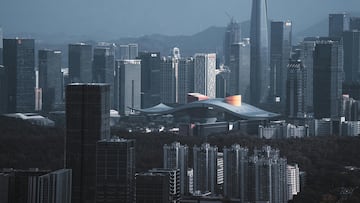
What once sounded like science fiction is now everyday reality across parts of Asia. While the West continues to debate how to manage the digital transition, Shenzhen — a booming metropolis in southern China — has already completed it. In 1980, it was a quiet fishing town of about 100,000 people. Today, it’s home to nearly 20 million residents, surpassing long‑established giants like Tokyo and Shanghai thanks to a sweeping, fully integrated digital transformation.
Electric, autonomous, and almost silent
One of the first things visitors notice in Shenzhen is how quiet it is. More than 95% of the city’s vehicles are electric, and it became the first city in the world to roll out a fully emissions‑free public bus fleet — a shift that dramatically improved air quality. Traffic flow is managed by AI systems that monitor pedestrians and vehicles in real time, adjusting traffic lights automatically to keep the city moving without human intervention.
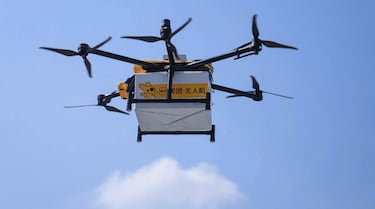
Automation isn’t a futuristic promise here; it’s part of daily life. Drone‑delivered meals are routine, and driverless taxis are steadily becoming the norm. The city is also rapidly adopting eVTOL aircraft — electric vehicles that take off and land vertically, similar to helicopters. One standout example is the AutoFlight Prosperity I, which already connects nearby cities in about twenty minutes, turning the metropolitan airspace into the region’s next major transportation network.
How government policy accelerated the urban tech revolution
Shenzhen’s evolution highlights the impact of a government strategy built around embedding technology into the social and urban fabric. Strong state involvement allows massive infrastructure projects to move forward without the bureaucratic delays that often stall similar efforts elsewhere. As a result, digital systems shape nearly every aspect of daily life — from facial‑recognition payments to uninterrupted 5G coverage — enabling more efficient public services and streamlined resource management.
This same approach is guiding the development of Xiong’an, a brand‑new city rising from scratch. Designed to embody the central government’s vision of a modern socialist metropolis, Xiong’an aims to relieve population pressure on Beijing while centralizing innovation, sustainable urban planning, and large‑scale data management. The long‑term goal: securing China’s economic and industrial leadership for decades to come.
Related stories
Get closer to the game! Whether you like your soccer of the European variety or that on this side of the pond, our AS USA app has it all. Dive into live coverage, expert insights, breaking news, exclusive videos, and more. Plus, stay updated on NFL, NBA and all other big sports stories as well as the latest in current affairs and entertainment. Download now for all-access coverage, right at your fingertips – anytime, anywhere.
And there’s more: check out our TikTok and Instagram reels for bite-sized visual takes on all the biggest soccer news and insights.
Complete your personal details to comment