


Spain, Portugal, and Morocco’s 2030 World Cup bid still in flux as cities drop out and FIFA begins inspections
La Coruña’s withdrawal leaves nine cities pre-selected by Spain for the tournament. Valencia is waiting to hear back. There may still be more changes.
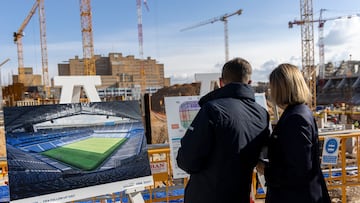

“This process is still open.” That’s the message organizers of the 2030 World Cup — led jointly by Spain, Portugal, and Morocco — have repeated from the start. And the latest developments prove it: on Monday, the city of La Coruña officially withdrew its bid to host matches in the tournament scheduled for four years from now.
The number of host cities is still being finalized, and more changes are expected. Here’s the current landscape: Spain now retains nine of the eleven stadiums it initially submitted to FIFA after Málaga and La Coruña pulled out. Morocco intends to keep its six proposed venues, despite internal debate about a possible reduction. Portugal, which submitted a minimal three‑stadium proposal, expects to keep all three.
FIFA will have the final say
FIFA is currently touring candidate cities as part of its inspection process. Sources familiar with the discussions say the governing body would be comfortable with a final list of 16 to 18 stadiums — similar to the 16 venues being used this summer across the United States, Mexico, and Canada. The 2030 bid originally included 20 stadiums; with recent withdrawals, that number is down to 18. But many believe Valencia and the Nou Mestalla — previously sidelined due to disputes between the club and local authorities — are close to being reinstated.
Despite the controversy surrounding Spain’s initial selection process, the Spanish Football Federation (RFEF) always emphasized that its list was only a preliminary plan. FIFA’s criteria, they warned, would ultimately reshape the final map.
Hosting World Cup matches comes with strict requirements. Stadiums must seat roughly 42,000 fans and meet a long list of infrastructure and operational standards. Many venues have already had to commit to expensive renovation projects, backed by financing agreements that FIFA requires to be fully guaranteed. These demands prompted early withdrawals from cities like Murcia and Gijón, which doubted they could meet the 2028 deadline for upgrades.
High‑profile withdrawals: Málaga and La Coruña
Two of the most notable exits came from cities that had initially been considered strong candidates. Málaga backed out after running into obstacles related to stadium renovations and commitments involving the local club. Up in Galicia, La Coruña faced long‑standing tensions between local authorities and Deportivo La Coruña, which holds a 25‑year lease on the stadium.
The RFEF has insisted it never pushed any city out of the race, instead leaving it to each municipality to decide whether it could realistically meet FIFA’s demands.

The Remaining Spanish Candidates — and Their Uncertainties
For now, the following stadiums remain in contention:
- Santiago Bernabéu and Metropolitano (Madrid)
- Camp Nou and RCDE Stadium (Barcelona)
- San Mamés (Bilbao)
- Anoeta (San Sebastián)
- La Cartuja (Seville)
- Gran Canaria (Las Palmas)
- La Romareda (Zaragoza)
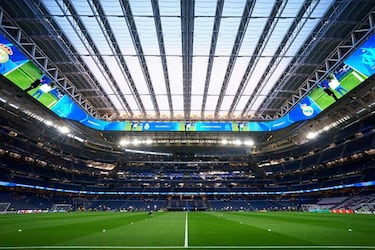
Among these, several are considered near‑locks: the Bernabéu — a finalist candidate — Camp Nou, San Mamés, La Cartuja, and the new Romareda, where all parties have consistently aligned.
FIFA inspectors visited Gran Canaria on Monday, where questions remain about financing for stadium upgrades. Anoeta has also faced hurdles, including neighborhood opposition.
Even the Metropolitano, one of Spain’s most modern stadiums, isn’t entirely free of doubt. The venue has become a major hub for concerts and large events in Madrid, especially as the Bernabéu navigates noise‑regulation issues. FIFA requires full operational control of host stadiums months before the tournament, which could conflict with the Metropolitano’s event calendar — raising questions about financial viability for the city and club.
Valencia likely to return, Vigo still fighting
Spain and the RFEF maintain that they have enough depth to handle these complications. Valencia’s Nou Mestalla — now that disputes between the club and city hall have been resolved — is widely expected to rejoin the project. The stadium is projected to be one of the most modern in the country, and FIFA is believed to favor its inclusion.
Vigo is also pushing hard to be added. Its exclusion sparked significant backlash, and La Coruña’s withdrawal has reopened the door. Still, the RFEF has long questioned whether Vigo’s intentions are political or genuinely committed. Renovations at Balaídos may still fall short of FIFA’s minimum requirements, potentially creating new obstacles. Even so, Vigo has never been fully ruled out — a reminder of how fluid World Cup planning can be, as seen with the last‑minute venue changes for this summer’s tournament in the United States, Canada, and Mexico.
Morocco and Portugal under review as well
Morocco and Portugal have presented more unified proposals, but FIFA retains the authority to make adjustments. Morocco submitted an ambitious six‑stadium plan designed not only to host matches but also to drive nationwide infrastructure modernization. Its crown jewel is the Hassan II Stadium in Casablanca, still under construction and expected to hold around 115,000 spectators — a venue that could challenge for the final, though that decision is far off.
There has been speculation that FIFA could reduce Morocco’s number of venues if it decides to streamline the overall list. Fez has been mentioned as a possible cut, though no official statements have confirmed this.
Designed by Populous in partnership with Paris-based architects Oualalou + Choi, the spectacular 115,000-capacity Stade Hassan II in Casablanca, Morocco, will be the largest football stadium in the world.
— Populous (@Populous) August 21, 2024
Read more: https://t.co/Y7Yh5NaOQi pic.twitter.com/hrNyKFXyzw
Portugal’s bid includes three major stadiums: Benfica’s Estádio da Luz, Sporting’s José Alvalade, and Porto’s Estádio do Dragão. All meet international standards, but the 2030 World Cup will involve significant travel demands — not only across the three host nations but also due to the tournament’s ceremonial kickoff in South America. Fewer venues would mean fewer long‑distance trips, more concentrated match schedules, and a smaller environmental footprint.
FIFA’s ongoing inspections — and the conclusions drawn from them — will shape a tournament that remains very much in motion.
Related stories
Get closer to the game! Whether you like your soccer of the European variety or that on this side of the pond, our AS USA app has it all. Dive into live coverage, expert insights, breaking news, exclusive videos, and more. Plus, stay updated on NFL, NBA and all other big sports stories as well as the latest in current affairs and entertainment. Download now for all-access coverage, right at your fingertips – anytime, anywhere.
And there’s more: check out our TikTok and Instagram reels for bite-sized visual takes on all the biggest soccer news and insights.
Complete your personal details to comment