



Remember Striker? Inside the evolution of USA’s World Cup mascots
The United States has once again chosen an animal as its World Cup emblem. From Striker in 1994 to Clutch in 2026, blue dominates the co-host’s soccer identity.

The 2026 World Cup is already beginning to shape its visual and emotional identity. Between renovated stadiums, host cities preparing to welcome millions of fans, and marketing campaigns rolling out across the globe, tournament mascots have once again taken on a central role in the culture of the event.
Mexico has gone with a jaguar, Canada selected a moose, and the United States has once again turned to an animal symbol to represent its competitive spirit. It’s no coincidence. More than three decades ago, the host nation broke from several trends that had come to define international soccer and found in a dog an unforgettable figure for its World Cup.
Striker set a precedent
Striker debuted in 1994 as a bold departure from anything FIFA had put forward in the preceding years. Since England’s lion in 1966, no host had used an animal as the official face of the tournament. The U.S. revisited that idea and pushed it toward a concept that felt far closer to classic American television animation.
Created by Warner Bros. Animation, the character featured a design rooted in traditional U.S. cartoons. Dressed in a white kit with red and blue accents, sporting a permanent smile, and radiating a friendly personality, Striker quickly connected with both kids and adults.
Striker’s influence extended far beyond the stadiums. The dog appeared in commercials, television promos, and an enormous range of official 1994 World Cup merchandise. Plush toys, T-shirts, cups, and advertising campaigns turned the mascot into one of the most memorable symbols of that tournament.
His style even echoed classic American TV characters like Huckleberry Hound, the iconic blue talking dog created by CBS in 1958. That pop culture connection helped the U.S. craft a distinct image around soccer - a sport that, at the time, was still working to establish itself in the domestic market.
Striker served as the official mascot of the 1994 FIFA World Cup — a cartoon-style dog dressed in a red, white, and blue “USA 94” uniform. Created by Warner Bros., he became one of the most iconic symbols of the tournament across the United States. pic.twitter.com/cST4c3Ca0N
— Pedro Rondon (@usasupersoccer) May 23, 2026
Clutch takes the baton on the road to 2026
Now, 32 years later, the U.S. is once again placing its World Cup identity in the hands of an animal. Clutch, a bald eagle fully decked out in blue, will serve as the country’s representative during the 2026 tournament.
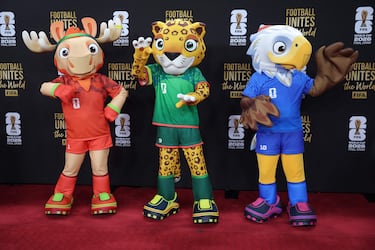
The choice is no accident. The bald eagle is a powerful symbol of patriotism, strength, and leadership in American culture. FIFA and the local organizers are also aiming to convey a message rooted in optimism, courage, and adaptability - key themes for a tournament shared with Mexico and Canada.
Clutch inherits part of the spirit that Striker left behind in 1994. The dog gives way to an eagle, but the blue remains, anchoring a World Cup identity the U.S. seems determined to carry forward.
Related stories


Get closer to the game! Whether you like your soccer of the European variety or that on this side of the pond, our AS USA app has it all. Dive into live coverage, expert insights, breaking news, exclusive videos, and more. Plus, stay updated on NFL, NBA and all other big sports stories as well as the latest in current affairs and entertainment. Download now for all-access coverage, right at your fingertips – anytime, anywhere.
And there’s more: check out our TikTok and Instagram reels for bite-sized visual takes on all the biggest soccer news and insights.
Complete your personal details to comment