


Santiago Niño Becerra, economist: “Buying cooked food saves a lot of time… and in my opinion, money too"
The economist believes that buying ready-made food doesn’t just save time — they may actually cost less than cooking at home.
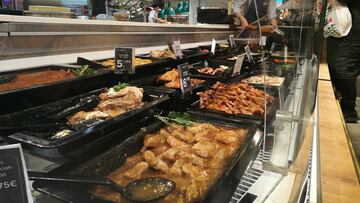
For many households, finding the balance between time, money, and healthy eating has become a daily struggle. Between long workdays, rising grocery prices, and the effort that cooking requires, mealtime can feel like another item on an already packed to-do list.
That’s why a recent argument from Spanish economist Santiago Niño-Becerra has sparked debate: he believes that buying cooked meals can be cheaper than preparing food at home—and not just because it saves time.
Does buying prepared food really save money?
Niño-Becerra shared his reasoning on X (formerly Twitter), explaining that the savings go beyond eliminating cooking time.
He points to a typical example from the Barcelona area: a complete prepared menu costing about €9.25 (roughly $10). According to him, you can’t easily find a restaurant offering a full meal at that price, nor can most people recreate it at home for less.
He argues that buying ingredients, having the necessary cooking skills, and spending the time to prep the meal—plus the cost of gas or electricity—usually adds up to more than the cost of a ready-made dish.
1/6. https://t.co/0OanDNkzRI
— Santiago Niño (@sninobecerra) November 23, 2025
El razonamiento está claro: comprar comida cocinada ahorra mucho tiempo, tanto en la adquisición de los ingredientes como de preparación, pero en mi opinión ahorra otra cosa: dinero. Observen el siguiente menú cuya imagen fue
The hidden costs of cooking at home
Beyond groceries, Niño-Becerra notes the extra expenses that often go overlooked: cleaning pots, pans, and dishes, or running a dishwasher that requires detergent, water, and energy, and which one has to have spent money to purchase in the first place.
From his perspective, home-cooked meals create an entire chain of costs—money, time, labor—that many people underestimate.
Still, he emphasizes that the choice isn’t just financial. Consumers should weigh their priorities:
- Do they trust the hygiene of prepared foods?
- Do they prefer the taste of their own cooking?
- Are they concerned about additives in packaged meals?
The decision, he says, ultimately depends on personal values.
Why prepared meals are becoming a daily habit for many
Convenience foods are more visible than ever in supermarkets across Europe and the U.S. As daily routines get busier, shoppers increasingly pick up ready-made meals rather than spending time prepping ingredients and cooking from scratch.
For many, the calculation is simple: saving time feels just as valuable as saving money.
Niño-Becerra’s comments tap into a broader conversation happening globally—one where families continually renegotiate how they spend their time, how they budget, and what “eating well” truly means today.
Related stories

The Thanksgiving cocktails you must try
Thanksgiving cooking tips from the USDA
Get your game on! Whether you’re into NFL touchdowns, NBA buzzer-beaters, world-class soccer goals, or MLB home runs, our app has it all.
Dive into live coverage, expert insights, breaking news, exclusive videos, and more – plus, stay updated on the latest in current affairs and entertainment. Download now for all-access coverage, right at your fingertips – anytime, anywhere.
Complete your personal details to comment