


This low-cost airline upgrades its airplanes with a major innovation: more legroom without sacrificing rows
The British low-cost airline will have new seats in its fleet starting in 2028. They are lighter, more efficient, and offer more space for your legs.
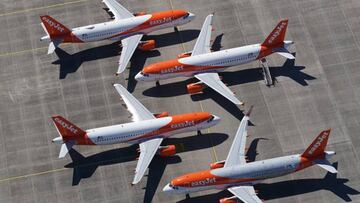

Flying isn’t always the most comfortable experience. Between long airport waits, security lines, and cramped cabins, the journey can feel more exhausting than the destination. And on low‑cost airlines — where prices are tight and so are the services — comfort often takes an even bigger hit.
One of the biggest complaints, especially from taller travelers, is the lack of legroom. On short flights, it’s tolerable. But after several hours, the discomfort becomes hard to ignore. That’s why British airline easyJet has decided to give passengers a little more breathing room.
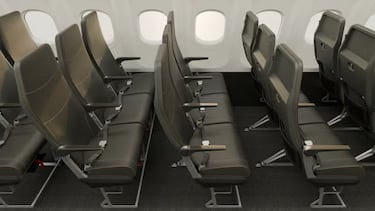
Starting in 2028, the airline will add two extra inches of legroom to its aircraft. It’s not a dramatic change, but every bit helps. The improvement comes from installing new Kestrel seats from Mirus, which will be added to 237 new planes. Thanks to their slimmer design, easyJet can increase space without removing any rows.
Lighter seats, better posture, and fuel savings
These new seats position the passenger’s hips and spine slightly farther back, creating extra legroom. They also feature a fixed 22‑degree recline and are built with carbon fiber instead of plastic, giving them a sleeker look and reducing weight.
The result: the seats are 20% lighter, saving roughly 1,100 pounds per aircraft.
According to easyJet’s estimates, this weight reduction will save nearly 13,000 tons of fuel per year across the fleet.
“This investment supports our ongoing focus on making our operations as efficient as possible, taking advantage of small incremental improvements that lead to significant reductions in fuel consumption and CO₂ emissions,” said David Morgan, easyJet’s Chief Operating Officer.
Morgan added that beyond sustainability, passengers will simply enjoy the added comfort: “The extra legroom and improved seating experience are things we know our customers will love.”
What this means for future EasyJet flights
The new economy‑class seats will be installed on the airline’s upcoming Airbus A310neo and A321neo aircraft. They’ll be lighter, more efficient, and — most importantly for travelers — offer more space for your legs.
A small change, yes. But for anyone who’s spent hours squeezed into a tight seat, it’s a welcome one.
Related stories
Get closer to the game! Whether you like your soccer of the European variety or that on this side of the pond, our AS USA app has it all. Dive into live coverage, expert insights, breaking news, exclusive videos, and more. Plus, stay updated on NFL, NBA and all other big sports stories as well as the latest in current affairs and entertainment. Download now for all-access coverage, right at your fingertips – anytime, anywhere.
And there’s more: check out our TikTok and Instagram reels for bite-sized visual takes on all the biggest soccer news and insights.
Complete your personal details to comment